
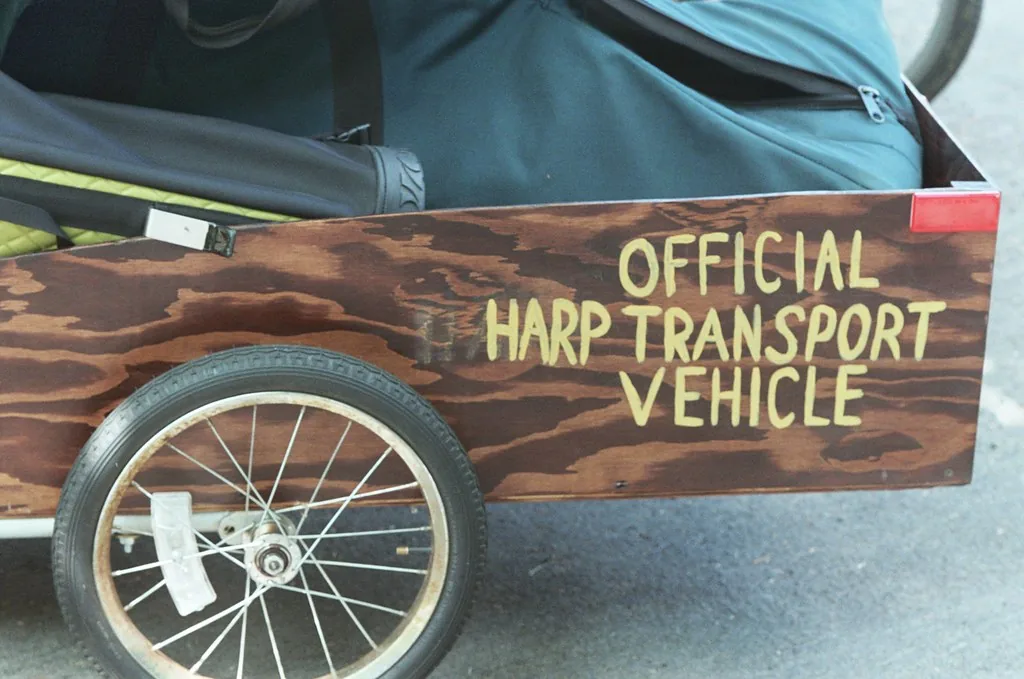
An instrument as delicate as a harp deserves optimal protection. Frequent travel can damage its fragile structure. A suitable cover is therefore essential to ensure its longevity.
Several solutions are available: professional models, premium options, and even handmade creations. Brands such as Salvi offer custom-made protection, including a model designed for 185 cm harps.
Choosing the right protection prevents many problems. A poor choice can lead to costly repairs. To learn more about the essential criteria, see our complete guide.
Essential Criteria for Choosing a Harp Transport Cover
Protecting a fragile instrument requires careful attention to detail. Materials, padding, and closure systems all play a key role in preserving it.
Essential Materials: Strength and Protection
Waterproof polyester is preferred for its durability. Some models, such as those by Salvi, include coated canvas for optimal water resistance. Avoid untreated fabrics, which are sensitive to humidity.
| Material | Advantages | Disadvantages |
|---|---|---|
| Waterproof polyester | Lightweight, weather-resistant | Slightly higher cost |
| DIY coated canvas | Economical | Less durable |
Padding and Comfort for Your Instrument
A 4 to 5 cm layer of polyurethane foam absorbs shocks. A fleece lining adds extra protection against scratches.
“The thickness of the padding determines how effective the protection is.”
Practical Closures and Accessories
Choose reinforced zippers or modular closure systems. Adjustable straps with plastic fasteners, like those on the Salvi cover, make transport easier.
- Velcro on the column for a precise fit.
- Reinforced grip points for easier handling.
The Best Harp Transport Covers on the Market
The market offers models that combine safety and style for harpists. From custom-made protection to modular options, here is an overview of the most effective solutions.
The Salvi Reference Model for Concerts
Designed for 185 cm instruments, the Salvi cover (€470) provides optimal protection. Its waterproof polyester and side reinforcements absorb shocks. Compatible with the Daphne 47 and Arianna models, it weighs only 2.1 kg.
Comparison of Premium Options
Budgets range from €130 to €2,200 depending on the features:
| Model | Price | Specifications |
|---|---|---|
| Apollo | €1,050 | 5 cm padding, back strap |
| Diana | €2,200 | Fire-retardant canvas, integrated hard case |
| Entry-level | €109 | 3 cm foam, basic zipper |
Modular versions, such as the Apollo, are easier to maintain thanks to their removable pockets. Prioritize reinforcement at contact points for concert harps.
For Celtic instruments, lightweight models weighing under 1.5 kg are enough. Professionals should choose covers certified for air transport.
Making Your Own Harp Transport Cover: Benefits and Challenges
A handmade cover gives you full control over materials and design. It is the ideal option for those who want to combine savings with personalization. Be careful, however: this project requires time and sewing skills.
Required Materials and Estimated Cost
The average budget is 30 to 50% lower than buying from a store. Here are the essentials:
- Coated canvas (2 meters minimum).
- 10 mm thick polyurethane foam.
- No. 8 zippers (1 meter).
- 40 mm nylon straps.
| Item | Approximate cost |
|---|---|
| Coated canvas | €15 to €20/meter |
| Foam | €10 to €15/m² |
| Hardware | €5 to €10 |
Manufacturing Steps and Professional Tips
Start by cutting the pieces according to your instrument’s dimensions. Use the “Russian doll” sewing technique to simplify assembly.
“U-shaped corner protectors effectively shield the console from side impacts.”
Reinforce sensitive areas with additional layers. Allow 1 to 2 days of work for an amateur.
Limits and Precautions to Know
Handling 6 layers of fabric and foam can be complex. Measurement errors are common and costly. For frequent travel, a professional cover remains safer.
In short, DIY suits small budgets, but it requires patience and precision.
Conclusion: Which Cover Should You Choose for Your Harp?
Every musician can find a solution suited to their needs. Professionals will favor premium protection, while amateurs can choose more accessible models.
Water resistance and compatibility with your model remain key criteria. Always check the dimensions before buying to avoid unpleasant surprises.
Do not neglect quality. Saving money on protection can become expensive in the long run. Read the technical specifications to make the right choice.
Whether you travel often or play occasionally, investing in good protection helps ensure the longevity of your instrument.