Medieval music
The fundamental essence of songs and medieval music has always been religious in nature. It has been found in many types of religious chant from different regions of Europe. The medieval passion for music led to the invention of various traditional musical instruments and, by the end of the medieval period, most songs were composed using a variety of instruments. Even today, most of these musical instruments are still used, and the majority of songs composed nowadays draw inspiration from the medieval era. Medieval music is a vast musical field that spans several centuries of European history, stretching roughly from the fall of the Roman Empire to the beginning of the Renaissance, between the 5th and 15th centuries.

The medieval period in music

The medieval period in music began with the fall of the Roman Empire in AD 476. It developed through the 6th century and remained popular until the end of the 14th century, when it was mainly classical music centered on the Church. Although people enjoyed religious music in the medieval era, most of the songs we have recovered were written as liturgical music. Characteristics of medieval music:
Medieval music is defined by several attributes. Here is a list of the four main characteristics of music from the medieval era:
- Monophony : before the end of the medieval period, monophonic chant was popular. In monophonic songs, other voices were added to the chant and moved in synchronization with the main voice. This term was used to characterize the Renaissance and Baroque periods.
- Rhythmic pattern: among the most standardized characteristics, the rhythmic pattern was used in almost all medieval music. It added uniformity and sensitivity to the whole song and was quite famous in the 13th century.
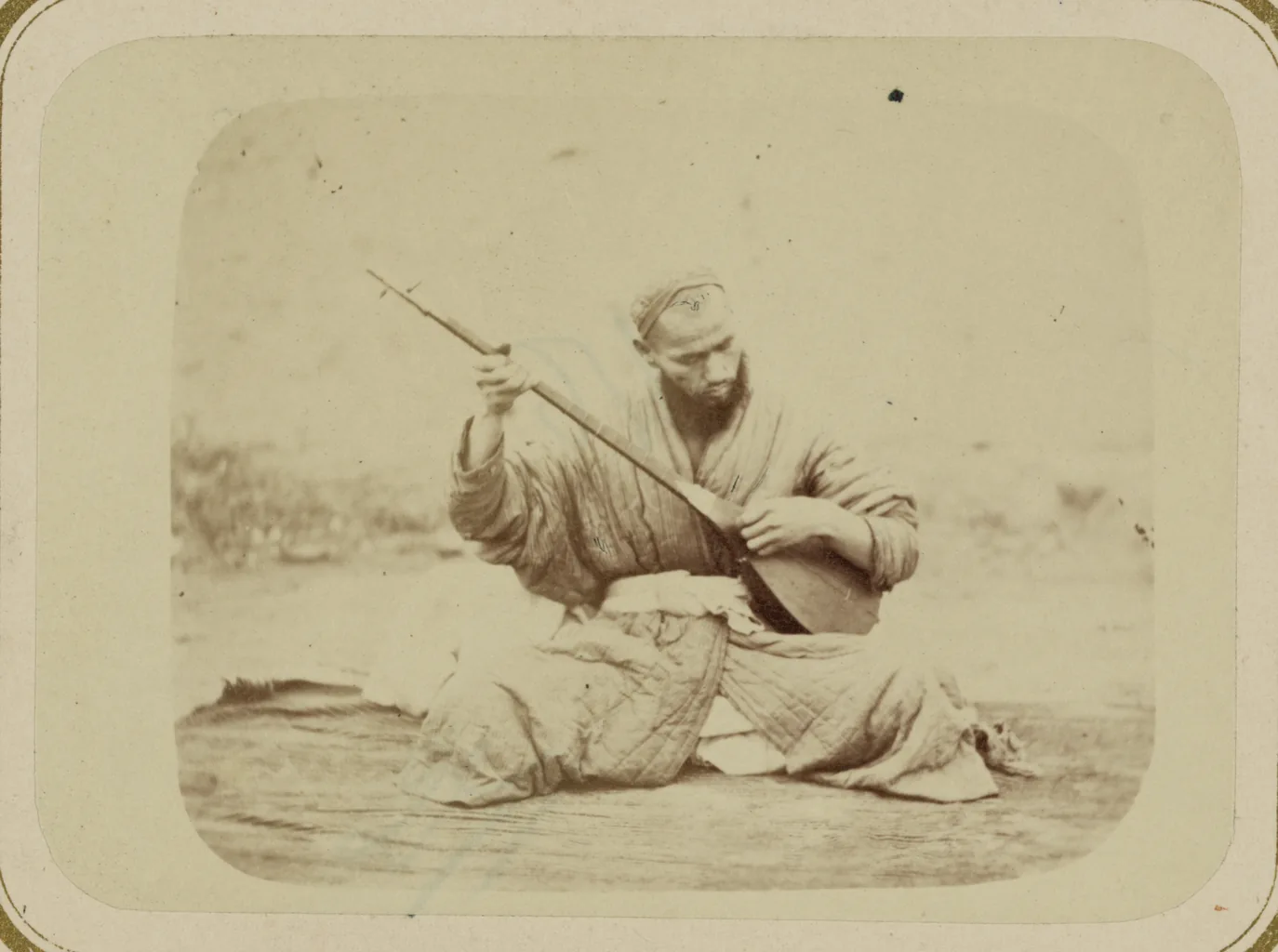
- Limited instrumental music: many types of medieval music were vocal, but medieval people also enjoyed instrumental music. It was composed with a wide range of musical instruments, including woodwinds, strings, and brass instruments.
- Ligature-based notation: medieval notations differ greatly from modern notation because they rely on signs rather than rhythmic notation. Several changes were made to ligature-based musical notation between the 11th and 15th centuries.
Famous medieval songs
Here is a list of songs that were very famous in the Middle Ages:
- Greensleeves, a famous English folk song, was one of the most popular songs in England in the late 16th century. It has been associated with Henry VIII, who is said to have written it to court Anne Boleyn, his mistress and later his wife. However, it is thought to have no precise historical basis and to have been written in the Elizabethan era. The song belongs to a style of composition strongly influenced by Italian music.
- The Song of Roland is both an epic poem and a traditional medieval song. It was composed in the 10th or 11th century and tells the story of Roland, who took part in the Battle of Roncevaux Pass in 778 and died there. This medieval song focuses on embellishing Roland’s character and the ideals of chivalry that prevailed in the Early Middle Ages.
- Foy Porter is a love song composed by the legendary French composer Guillaume de Machaut in the 14th century. It is a monophonic song that is a complex love poem dealing with chivalric love, courtly love, and states of mind, as well as how love can help someone become a better person.
- The song L’autrier m’iere levaz was composed in France in the 12th century by an unknown composer. It has been classified among the pastourelles because it describes love between a French knight and a woman of modest background. It is one of the finest examples of a pastourelle song.
- Lamento di Tristano is another well-known medieval ballad that tells the story of Tristan and Isolde. Tristan and Isolde were medieval lovers, as famous as Romeo and Juliet at the end of the Renaissance. This Italian ballad, dating back to the 14th century, tells the story of these legendary lovers.
People in the medieval era often used music and songs to express their emotions. There are countless examples of medieval music that reveal the inventiveness of individuals throughout this period. We hope discovering medieval tunes has intrigued you.
Read our articles about the world of medieval melodies