
Blending two musical worlds, this bold creation pushes the limits of string instruments. Its unique design combines the versatility of an electric guitar with the enchanting sound of an acoustic harp.
Since Antiquity, plucked strings have undergone many evolutions. This modern model stands out through its dual string system and redesigned soundbox. Musicians find in it an exceptional sonic palette.
Popularized by artists such as Steve Vai and his legendary 13-string Hydra, it has found a place in a wide range of styles. From progressive rock to world music, it offers unlimited creative possibilities.
Its modified body and recent history make it much more than a simple accessory. It is a true revolution in the world of contemporary musical instruments.
The History and Evolution of the Harp Guitar
The history of plucked strings goes back thousands of years, gradually shaping bold creations. From prehistoric musical bows to modern hybrids, each era has brought its own innovations.
The Origins of Plucked String Instruments
As early as 3000 BCE, the first instruments appeared. Mesopotamian lyres and Egyptian harps marked the beginning of a long evolution. In the Middle Ages, lutes and gitterns enriched this family.
The Fusion of Guitar and Harp Over the Centuries
The 18th century saw the invention of harp pedals. In the 19th century, luthiers added sympathetic strings to create unique sounds. This period laid the foundations for today’s hybrids.
Modern Innovations and the Electric Era
In 1931, the first electric guitar was born. In the 1960s, magnetic pickups were fitted to harps. Today, models such as Steve Vai’s Hydra push the limits even further.
The Technical Characteristics of the Harp Guitar
Its construction combines traditional elements with modern advances. Every detail, from the soundbox to the strings, has been optimized for exceptional acoustic performance.
The Unique Structure: Soundbox and Strings
The double-chamber soundbox fuses two worlds: a flat section for low frequencies and a curved section for treble. This design maximizes sound projection.
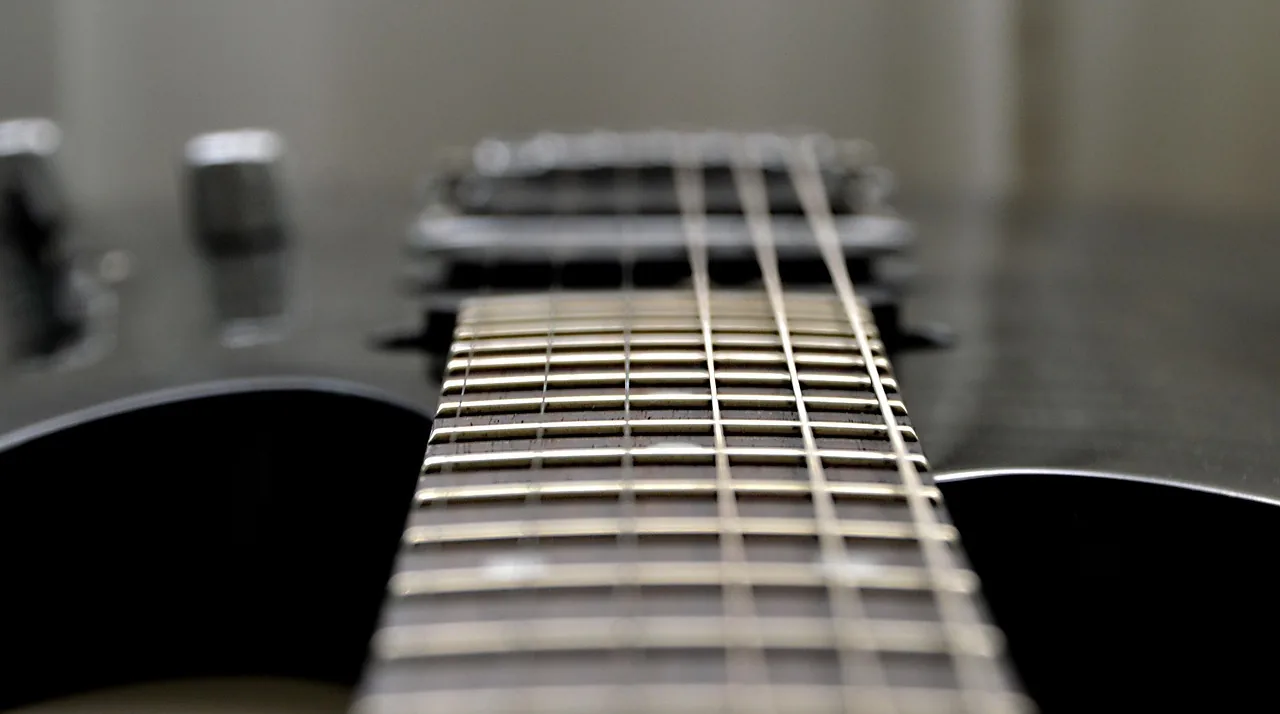
The strings combine nylon (6) and metal (7 to 13). This hybrid setup allows extended ranges, from 27.5 Hz to 4.8 kHz. Sustain can reach up to 15 seconds.
Materials and Handcrafted Lutherie
Precious woods dominate:
| Element | Material | Acoustic impact |
|---|---|---|
| Soundboard | Spruce | Treble clarity |
| Back and sides | Rosewood | Warm midrange |
| Neck | Flamed maple | Stability and sustain |
Luthiers add piezoelectric sensors beneath the bridge. These capture every nuance for faithful amplification.
Sound Characteristics and Timbre
The timbre varies according to the attack on the strings. Plucked like a harp, they offer crystalline harmonics. Strummed like a guitar, they gain power.
A system of adjustable pedals allows real-time alterations. It is ideal for exploring experimental sonorities or alternate tunings.
Iconic Harp Guitar Models
Certain pieces have made history through their technical daring. These unique creations attract collectors and musicians, combining tradition and modernity.
Steve Vai’s Hydra: A Masterpiece of Engineering
Designed in collaboration with Ibanez, this work has three necks and thirteen strings. Its 6.2 kg weight is offset by integrated LED lighting. “It’s like playing three instruments simultaneously”, the virtuoso says.
In 2022, an NFT version sold for $780,000. The two Floyd Rose bridges allow extreme bends. This model remains a benchmark on the market for rare pieces.
Rare Finds on the Second-Hand Market
Bargain hunters sometimes uncover gems. A 19th-century harp-lute was purchased for €2,400 on Leboncoin. Only twelve vintage examples are recorded to date.
Gut strings require specific restoration techniques. Connoisseurs seek out these instruments for their warm, historical sound.
Contemporary Creations by Luthiers
Artisans are constantly innovating. The Eos Hybrid model combines seven nylon strings and six harp strings. Integrated MIDI sensors open up new possibilities.
The sector grew by 18% in 2023. These luthiers are pushing the limits, blending technology with ancestral expertise.
Playing Techniques and Suitable Musical Styles
Exploring the sonic possibilities of this musical object requires a particular technical command. Musicians must merge skills from two worlds. This creates a unique experience in contemporary music.
Traditional and Modern Approaches
Traditional playing borrows fluid arpeggios from harpists. The notes are plucked delicately for crystalline harmonies. Modern techniques bring tapping and bends, drawn from rock.
Artists such as Jeff Beck blend these methods. Their performances show how to combine power and subtlety. At least 300 hours of practice are recommended to master this fusion.
Use in Different Musical Genres
This tool shines in the symphonic genre, as heard with Nightwish. Epic sonorities pair with powerful riffs. Gypsy jazz has adopted it as well, with Charlie Christian pickups.
A new style, electro-harpcore, is emerging. It combines electronic beats with airy melodies. The palette is endless, from progressive metal to world-music atmospheres.
Technical Challenges for Musicians
Hand synchronization remains the main challenge. The left hand manages chords, while the right works on arpeggios. This dissociation requires months of training.
Tuning is another obstacle. Here are the average times required:
| Tuning type | Duration | Complexity |
|---|---|---|
| Standard | 1 hour | Medium |
| Alternate | 2 hours | High |
| Experimental | 4 hours | Maximum |
Despite these difficulties, the results are worth the investment. Musicians gain unmatched expressiveness from it.
The Harp Guitar Compared with Other Hybrid Instruments
In the world of musical instruments, hybrid creations occupy a special place. They merge distinct characteristics to offer new possibilities. Among them, our subject stands out for its balance between power and delicacy.
Comparison with the Banjo-Guitar and the Harp-Lute
The banjo-guitar delivers an impressive volume of 120 dB, compared with 90 dB for our model. This difference is explained by its metal soundbox. However, it lacks versatility in classical ensembles.
The harp-lute, with its 32 strings, offers a wider range. But its bulk limits its use in concert. This is where our modern hybrid has an advantage, with its 19 strings and ergonomic design.
Advantages and Limits of This Unique Instrument
The main advantages:
- Balanced sound projection (90 dB)
- Versatility across different musical genres
- Accessible price compared with historical pieces
The limits to know:
- Steep learning curve
- More complex maintenance than an electric banjo
- Heavier than some models (5.8 kg on average)
Its Role in Musical Ensembles
In contemporary ensembles, it often replaces the double bass. Its warm timbre fills the low frequencies while adding airy harmonics.
The study of the concert at the Philharmonie de Paris shows its effectiveness. Spectrograms reveal excellent integration into the orchestra. Its projection remains even, even in large halls.
Musicians especially appreciate its ability to move from studio to stage. Unlike other hybrids, it retains its acoustic qualities in every context.
Conclusion: The Future of the Harp Guitar
Musical evolution still has surprises in store, and this fusion is proof of it. Its future looks promising, with innovations such as AI in lutherie and FSC-certified woods. The market is expected to grow by 22% by 2026.
Conservatories are now introducing dedicated programs, training a new generation of musicians. Partnerships, such as Fender’s, are accelerating the creation of accessible models.
These trends point to lasting enthusiasm. Between tradition and modernity, this musical object continues to inspire. The music of tomorrow is being written today.