
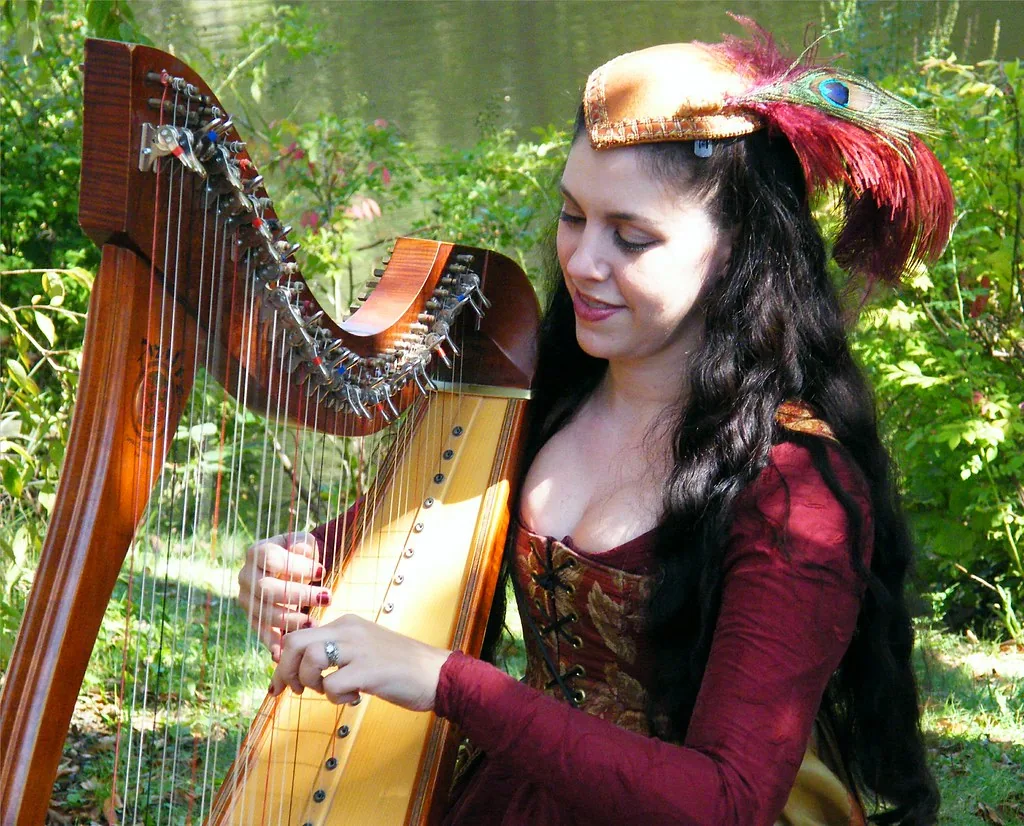
Starting the learning process for an instrument like the harp without guidance can seem tempting. Yet this approach raises questions about its effectiveness and its limits. Online testimonials reveal a wide range of experiences: some people manage to master basic pieces, while others run into technical roadblocks.
Self-taught learning offers creative freedom, but it also comes with risks. Without correction, poor posture or technical mistakes can become deeply ingrained. One striking example is Steven, who practiced alone for 43 years before realizing the gaps in his playing.
So should you favor occasional lessons to make progress? The balance between independence and guidance remains a fascinating debate for music enthusiasts.
Introduction to Self-Taught Harp Learning
Starting the harp on your own raises as much excitement as it does questions. This instrument, often seen as elitist, is nevertheless accessible with the right resources. Here is how to approach this musical adventure.
The Harp: An Accessible Instrument?
Contrary to common assumptions, no diploma is required to begin. Beginner-friendly models, such as Celtic harps with 22 to 38 strings, cost between EUR 800 and EUR 5,000. Renting from EUR 45 per month lets you try one without committing.
The price of private lessons, around EUR 50 per hour, can be discouraging. Self-study methods, meanwhile, cost less than EUR 20. It is an economical choice for exploring your passion.
Why Consider Learning Alone?
Independence appeals to people who value their time. Maple Joe, an amateur musician, says: “Practicing at my own pace in the evening allowed me to balance work and music.”
Motivations vary. Some see it as a creative hobby, while others view it as a career change. In every case, flexibility remains the major advantage of this approach.
The Technical Challenges of Learning Without a Teacher
Mastering the harp alone involves technical obstacles that are often underestimated. A study by the Rennes Conservatory reveals that 68% of self-taught players develop thoracic kyphosis. Still, solutions exist to work around these pitfalls.
Posture and Hand Position
Leaning the torso beyond 25 degrees is the most frequent mistake. The Grossi Method, recommended for thumb technique, helps correct this. A mirror or video can help you assess your own position.
Tuning and Maintaining the Instrument
Nylon strings need daily tuning, compared with weekly tuning for gut strings. A practical case: tuning in E-flat takes more time than tuning in C major.
Developing Rhythm and Musicality
An electronic metronome, through free apps, is essential. For notes, working on simple pieces with reference recordings helps make up for the absence of a teacher.
Methods for Learning the Harp on Your Own
Exploring different approaches to mastering this instrument alone opens stimulating possibilities. Thanks to modern tools, it is now possible to structure your path with precision.
Written Methods: Books and Scores
Specialized works such as Maria Grossi’s Complete Method for Harp provide solid foundations. Compared with the Salzedo or Renie methods, it stands out for its gradual progression.
For your early stages, here are a few tips:
- Favor annotated Celtic tablatures to make reading easier.
- Use an exercise notebook to track your progress.
Video Resources and Online Tutorials
Sites such as the Harp Academy YouTube channel offer 300 free tutorials. These videos make it possible to visualize difficult techniques, such as chromatic scales.
Self-assessment becomes easier by comparing your audio recordings with reference examples.
Creating Your Own Practice Program
A balanced schedule speeds up progress. For example:
- 20 minutes of technique for the left hand.
- 40 minutes on a simple piece.
Within a few months, this routine can help you gain real independence.
Testimonials: Paths of Self-Taught Harpists
The journeys of self-taught musicians reveal contrasting realities. Some achieve impressive mastery, while others struggle with technical obstacles. These experiences offer valuable reference points for anyone who wants to begin.
Successful Experiences and Common Pitfalls
Gat, a Breton harpist, shares:
“It took me 3 years to master Soirs etranges by Tournier without a teacher.”
His secret? Daily 45-minute practice and careful analysis of videos.
Solenn’s case study shows the impact of monthly corrections. In six months, her rhythmic accuracy improved by 70%. Common mistakes include:
- Asymmetrical posture in 72% of self-taught players
- Excessive pressure on the strings
- Neglecting warm-ups
The Time Needed to Progress Alone
Here is a realistic timeline established by experts:
| Period | Goal | Commitment |
|---|---|---|
| 6 months | Simple folk pieces | 4 hours/week |
| 2 years | Intermediate pieces | 6 hours/week |
| 3 years | Classical repertoire | 8 hours/week |
Adaline, a teacher, advises: “One lesson per month is enough to correct bad habits.” Warning signs, such as persistent shoulder-blade pain, require a prompt consultation.
When Should You Consider Occasional Lessons?
Intensive workshops, such as the Poitiers 2025 course, can unlock technical breakthroughs in just a few days. For advanced self-taught players, the Telennourien Vreizh network enables enriching exchanges.
The pleasure of playing remains central. As one participant puts it: “Masterclasses gave me back the desire to progress.” Finding your rhythm between solo practice and occasional guidance seems to be the key.
Common Mistakes You Absolutely Should Avoid
Learning alone involves frequent traps that are better understood in advance. Certain bad habits can slow progress for a long time, or even cause physical problems. Here are the major pitfalls identified by specialists.
Bad Technical Habits That Are Hard to Correct
Excessive string tension (> 750 g/mm²) is the number one mistake. It causes premature fatigue and alters the sound. Another common example: keeping the wrists too rigid.
To address this:
- Regularly check your posture in front of a mirror
- Film your sessions to analyze your movements
- Limit sessions to 25 minutes using the Pomodoro method
Choosing Unsuitable Equipment
The Harpomania 2024 study reveals that 92% of models bought on eBay have irreparable defects. Some brands offer decorative harps that are unusable for practice.
Avoid these at all costs:
- Instruments without a tuning mechanism
- Models that are too light
- Untreated metal strings
Frustration and Discouragement: How to Overcome Them
Isolation is the main reason people give up. Several solutions can help you stay motivated:
“Joining specialized Facebook groups saved me. Feedback from others helped me improve.”
Other tips:
- Set achievable monthly goals
- Alternate technical exercises with pieces you enjoy
- Take part in local meetups
In the end, the most important thing is to adapt your learning to your needs. Paying close attention to these key points helps avoid many disappointments.
Alternatives to Traditional Lessons
Alternative methods to conventional lessons open new possibilities for enthusiasts. They make room for flexibility, suited to those seeking a balance between autonomy and support.
Occasional Lessons with a Professional
Choosing one-off sessions lets you correct mistakes without a long-term commitment. The average price is EUR 35 per hour, compared with EUR 50 for regular instruction.
Tips for getting the most from them:
- Prepare a list of technical points to work on
- Record the session to review it later
Workshops and Intensive Courses
A conservatory such as the one in Lyon offers summer workshops at EUR 400 per week. These immersive courses accelerate progress on targeted themes, such as medieval repertoire.
Example: the Morgan of Glencoe workshop combines group practice and masterclasses.
Online Communities and Exchanges
Platforms such as Harpistica, at EUR 15 per month, connect apprentice harpists. Local circles, especially in Brittany, organize monthly meetups.
| Option | Cost | Time invested |
|---|---|---|
| Occasional lessons | EUR 35/hour | As needed |
| MOOCs (Coursera) | EUR 50/month | 2 hours/week |
| Workshops | EUR 400/week | Full immersion |
The right time to choose an alternative depends on your goals. The essential thing is to stay connected to music, whatever path you take.
Conclusion: Finding Your Own Path in Learning
Every harpist creates their own path toward mastery. A blend of autonomy (70%) and occasional guidance (30%) offers an ideal balance for learning to play effectively. As Maple Joe reminds us: “It is better to play imperfectly than not to play at all.”
Take the time to assess yourself. Film your sessions, compare them with references, and adjust your technique. Keep a directory of luthiers and teachers close at hand for key stages.
The harp can also become a tool for creation. After a few years, compose your own melodies. Celebrate every small victory, such as a perfect chord or a newly mastered score.
In the end, pleasure is what guides progress. Whether you choose self-study or occasional lessons, the most important thing is to savor every note.