
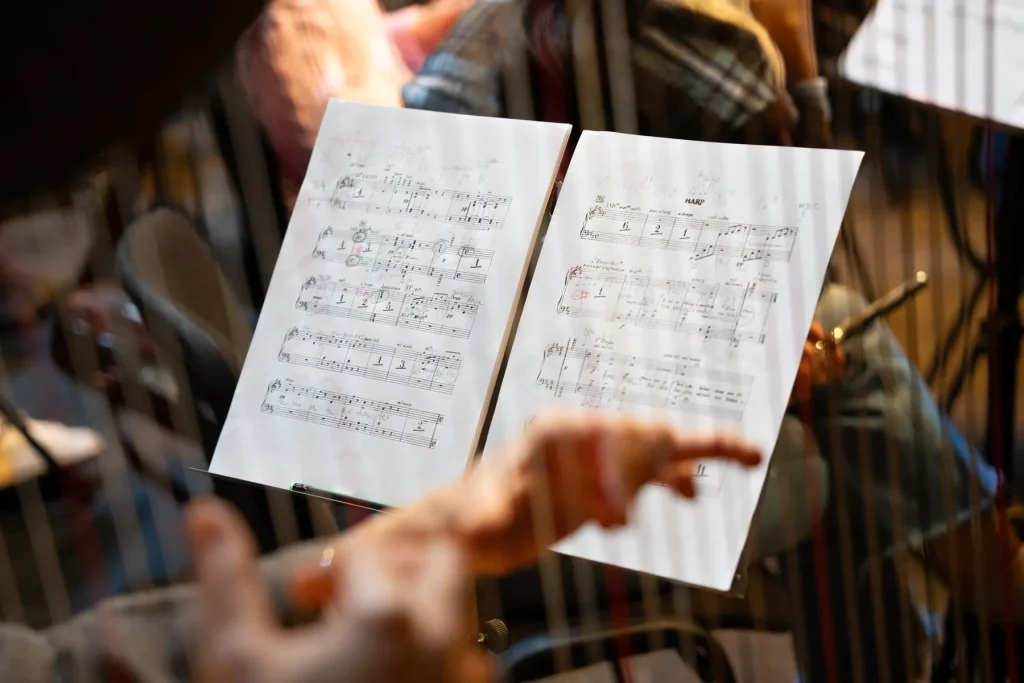
The Celtic harp holds an essential place in Breton traditions. With its vibrating strings, it tells stories and evokes landscapes. This instrument is appealing for its unique tone and how approachable it is.
This guide offers a clear method for getting started. You will discover practical resources and tips to help you progress. Listening to professionals is an excellent way to refine your musical ear.
To begin, explore suitable lessons. Emblematic pieces such as “A Limerzel” are waiting for you. Whether you are a beginner or an enthusiast, regular practice is the key.
Introduction to the Celtic harp
Dive into the captivating world of this ancient instrument. A symbol of refinement, it combines tradition and technique to create compelling melodies.
What is Celtic harp music?
This instrument stands out for its colored strings, which make notes easier to identify. Its soundboard amplifies the sound, while the levers allow quick alterations. Clotilde Trouillaud, a renowned harpist, emphasizes their key role in musical nuance.
Why choose this instrument?
Contrary to common assumptions, learning it is accessible. Compared with other Breton instruments, it offers a unique sound palette. Here are its strengths:
- Suitable for all ages and all levels
- Warm, enveloping sound
- Progressive techniques thanks to structured lessons
The basics of the instrument
Mastering your harp requires an ergonomic posture: straight back, relaxed arms. The hands should glide naturally over the strings. Here are its main components:
- Strings (metal/nylon, often colored)
- Sharping levers (to modulate semitones)
- Pillar and resonator body
Regular practice, even in short sessions, brings quick results. The most important thing is to stay attentive to your body.
Fundamental techniques for beginners
Starting with this instrument calls for a methodical approach. Here are the essential basics for building solid foundations.
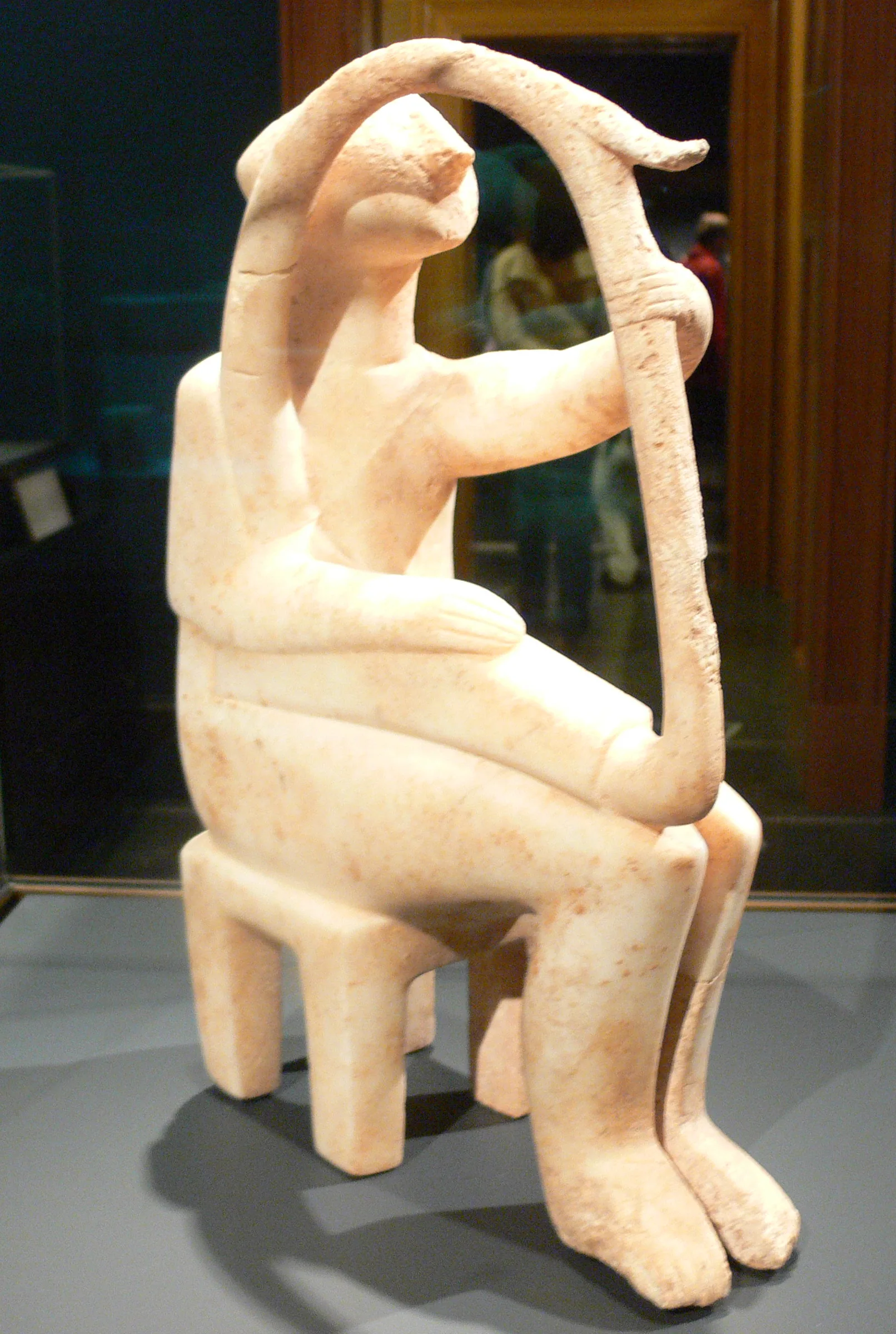
Posture and hand position
Good posture prevents unnecessary tension. Sit upright with your feet flat, and place the instrument against your shoulder. Your arms should remain relaxed.
For the hands:
- Fingers slightly curved
- Thumb positioned upward
- Smooth movements from the wrist
“A natural position is the key to avoiding pain. Never force it.”
Learning fingering and the role of the levers
Fingerings follow precise patterns. Begin with simple sequences between the thumb, index finger and middle finger.
| Finger | Role | Typical exercise |
|---|---|---|
| Thumb | Main notes | Ascending scales |
| Index finger | Accompaniment | Simple arpeggios |
| Middle finger | Strengthens the melody | Quick alternations |
The levers let you modify semitones. Use them gradually after mastering the basics.
Rhythm and coordination exercises
Synchronization between the hands is developed through targeted exercises. First tap the rhythm on the table before playing.
Effective method:
- Start with the right hand alone
- Add the left hand slowly
- Gradually increase the tempo
To go further, discover specialized learning methods. Simplified sheet music helps you progress without frustration.
Avoid these common mistakes:
- Playing too fast from the start
- Neglecting beat counting
- Forcing pressure on the strings
Celtic Harp Music: Listen and Learn Your First Pieces
Playing traditional airs is a key step in absorbing the techniques. These emotionally rich melodies help you develop your musicality.
“A Limerzel”: melody and accompaniment
This Breton piece is ideal for beginners. Its repetitive structure lets you focus on hand coordination.
Step-by-step method:
- First learn the melody with the right hand.
- Add the left-hand accompaniment with one or two fingers.
- Gradually increase the tempo.
| Section | Technique | Tip |
|---|---|---|
| Phrase A | Simple arpeggios | Keep the wrist flexible |
| Phrase B | Two-finger chords | Stay close to the strings |
| Transition | Key change | Use the levers gently |
“Dans 10 ans je m’en irai”: working both hands
This piece emphasizes hand independence. Start slowly to synchronize the movements.
“Regularity matters more than speed. Play for 10 minutes every day rather than one hour per week.”
Traditional songs for practice
Other airs strengthen your skills:
- La verte épine: scale work.
- Rossignolet du vert bocage: dynamic nuance.
To go further, explore specialized lessons. These resources guide you toward deeper mastery.
Resources and tools for making progress
Fast progress requires the right resources. From specialized platforms to free sheet music, here is a selection to guide you.
Recommended online lessons
Several platforms offer suitable learning paths. Compare the options to find the one that matches your needs.
| Platform | Advantages | Pricing |
|---|---|---|
| Harpeenligne | More than 25 videos, personalized follow-up | EUR20/month |
| Apprentus | Live private lessons | EUR30 to EUR50/hour |
| Sonerien | Complete Celtic methods | EUR15/month |
Free sheet music and tutorials
Starting without a budget is possible. Pieces such as La fille d’un geôlier or Les pigeons blancs are available online.
- DASTUM library: annotated historical collections.
- YouTube channels: step-by-step tutorials.
- Dedicated forums: sheet-music exchanges.
Listening to professionals
Sound immersion accelerates learning. Create a playlist with references such as Alan Stivell or Cécile Corbel.
“Listening daily refines the ear and inspires technique.”
For a live experience, check the Breton festival calendar. Nothing replaces the energy of a concert.
Conclusion
Your musical journey begins with these practical tips. From posture to traditional pieces, each step strengthens your connection with the harp. Set simple goals and celebrate your progress.
Regularity matters more than duration. Fifteen minutes a day is better than one long weekly session. Join communities such as Harpeenligne to exchange tips and motivation.
With perseverance, you will soon approach more complex pieces. The essential thing is to savor every note and progress at your own pace. Enjoy your practice!