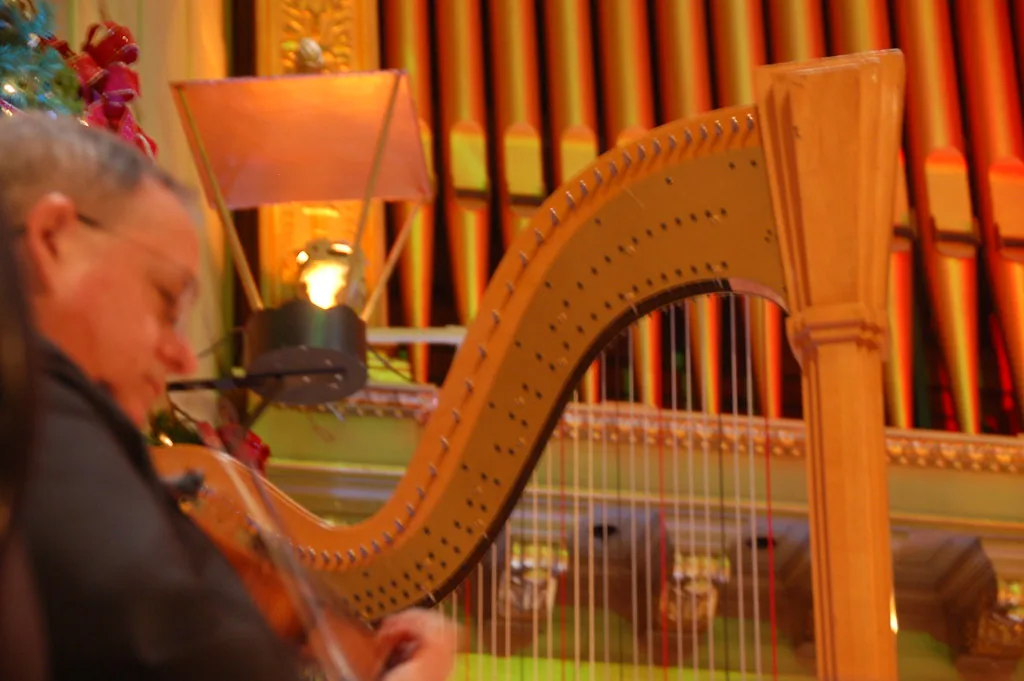
Learning to play an instrument as noble as the harp is an exciting adventure. But the first challenge is finding the model that suits your needs.
Several criteria are essential: size, number of strings, and type of mechanism. Celtic models (34-38 strings) are often recommended for beginners because they are easy to handle.
French brands such as Camac and Salvi offer high-quality instruments. Trying one in a specialist shop is still essential to check playing comfort.
This complete guide will help you make your choice by covering every technical and practical aspect. We will also look at rental and buying options according to your budget.
Introduction to the harp for beginners
The harp, an ancient instrument, captivates with its enchanting sound and accessibility. Present since the Middle Ages, it has evolved to suit beginners. The ideal age to start is around 7, but children can begin as early as 4 with suitable lessons.
Teenagers and adults often progress faster thanks to greater muscular maturity. Regular practice is essential: 30 minutes a day is better than one long weekly session.
In France, 90% of beginners choose the Celtic harp. Its repertoire, blending folk music with simplified classical music, makes learning easier. Pieces by O’Carolan or Naderman are perfect for the first few years.
Compared with the piano or violin, the time needed to play a simple melody is similar. However, the harp requires a unique coordination between both hands. Conservatories and online lessons provide ideal structures for getting started properly.
Celtic harp or pedal harp: which type should you choose?
The choice between a Celtic harp and a pedal harp can seem complex for a beginner. Each model has its own technical and musical features, suited to different needs.
The advantages of the Celtic harp for beginners
With 22 to 38 strings and E-flat tuning, the Celtic harp is light (5 kg) and easy to handle. Its solid wood gives it a warm sound, ideal for traditional melodies.
Nylon or carbon strings require less maintenance. Its affordable price (€1,500 to €5,000) makes it the preferred type in music schools.
When should you choose a pedal harp?
The pedal harp, with its 40 to 47 strings, suits musicians aiming for a complex classical repertoire. Its pedal system lets players change keys instantly.
Its weight (40 kg) and cost (€15,000 and up) make it better suited to professional projects. Some players adopt it after 3 years of practice on a Celtic model.
Comparing sounds and repertoires
The Celtic harp shines in traditional airs and minimalist compositions. Its wood resonates with characteristic softness.
The pedal version lets you explore Bach or Debussy thanks to its advanced polyphony. Try both in a shop to feel the difference!
Essential criteria for choosing your first harp
Selecting your first harp requires careful attention to several key elements. Budget, dimensions, and materials directly influence comfort and progress.
Budget: from student models to professional harps
Prices range from €1,000 to more than €5,000 depending on quality. Entry-level models (€1,000-€2,000) suit children, while adults will usually prefer intermediate models (€2,300-€3,500).
Rent-to-own lets you spread the cost. Investing in a certified used harp can also be a wise choice.
Size and number of strings
The ideal size corresponds to the distance from the floor to the navel. The strings (22 to 38) determine the range: 34 strings offer a good balance for beginners.
Weight varies from 4 kg (22 strings) to 12 kg (38 strings). A shop trial is crucial for checking ergonomics.
Materials: wood and strings
Wood influences the sound: cherry is light, maple is more resistant. For strings, here is a comparison:
| Type | Advantages | Disadvantages | Average price |
|---|---|---|---|
| Nylon | Stable, economical | Less warm sound | €2,300 |
| Gut | Rich tone | Fragile, costly maintenance | €3,800 |
| Carbon | Durable, precise | Metallic sound | €4,200 |
Choose nylon for a first purchase, unless you are looking for a traditional sound.
The best harp brands for beginners
The world of harps is full of renowned brands, each offering a unique experience. For a beginner, choosing a recognized brand guarantees a reliable instrument suited to learning.

Camac: French manufacturing and artisanal quality
Based in Mouzeil, the Camac workshop embodies French excellence. Its models, such as the Odyssée, combine sound quality with robustness. A 6-month manufacturing lead time reflects their meticulous approach.
Their beginner range offers silent mechanisms and carbon strings, ideal for steady progress.
Salvi: a range suited to children and adults
Salvi stands out with its Juno range (25 strings, 4.5 kg), perfect for children under 10. Its models, such as the Titan, also appeal to adults thanks to their ergonomics.
Their Italian know-how, combined with selected woods, ensures lasting quality. Recommended price: €1,890 for the Juno.
Other brands to consider
Hybrids such as the Aoyama Muse (Japan) or Dusty Strings (United States) offer interesting alternatives. Their quality rivals European brands, but check spare-part availability in France.
“A well-chosen harp is a companion for years.”
Choose authorized distributors and beware of counterfeits (CE marking is mandatory). Post-Covid delivery times can be long: plan your purchase ahead!
Essential accessories for getting started well
Good equipment perfectly completes the musical experience. Suitable accessories protect the instrument and make progress easier.
Tuning key and electronic tuner
Regular tuning preserves sound quality. The Snark SN-8 (€59) offers precision to one hundredth of a tone.
Methods compared:
- Traditional: perfect pitch required
- Electronic: immediate results, even for beginners
Transport cover and protection
The Camac cover (€230) resists shocks and humidity. Its thick padding protects the strings during transport.
Key tips:
- Avoid extreme temperatures
- Control humidity (45-65%)
Adjustable seat and music stand
A piano bench (€90) with adjustable height (45-55 cm) optimizes posture. The integrated music stand saves time by avoiding position changes.
| Beginner pack | Contents | Average price |
|---|---|---|
| Essential | Key + nylon cover | €150 |
| Complete | Tuner + seat + leather cover | €400 |
| Professional | Maintenance kit + secure transport | €700 |
“Investing in good accessories means taking care of your instrument and your passion.”
Where can you buy and try a harp in France?
In France, future harpists have several options for finding their instrument. Specialist shops remain the safest solution for a first purchase.
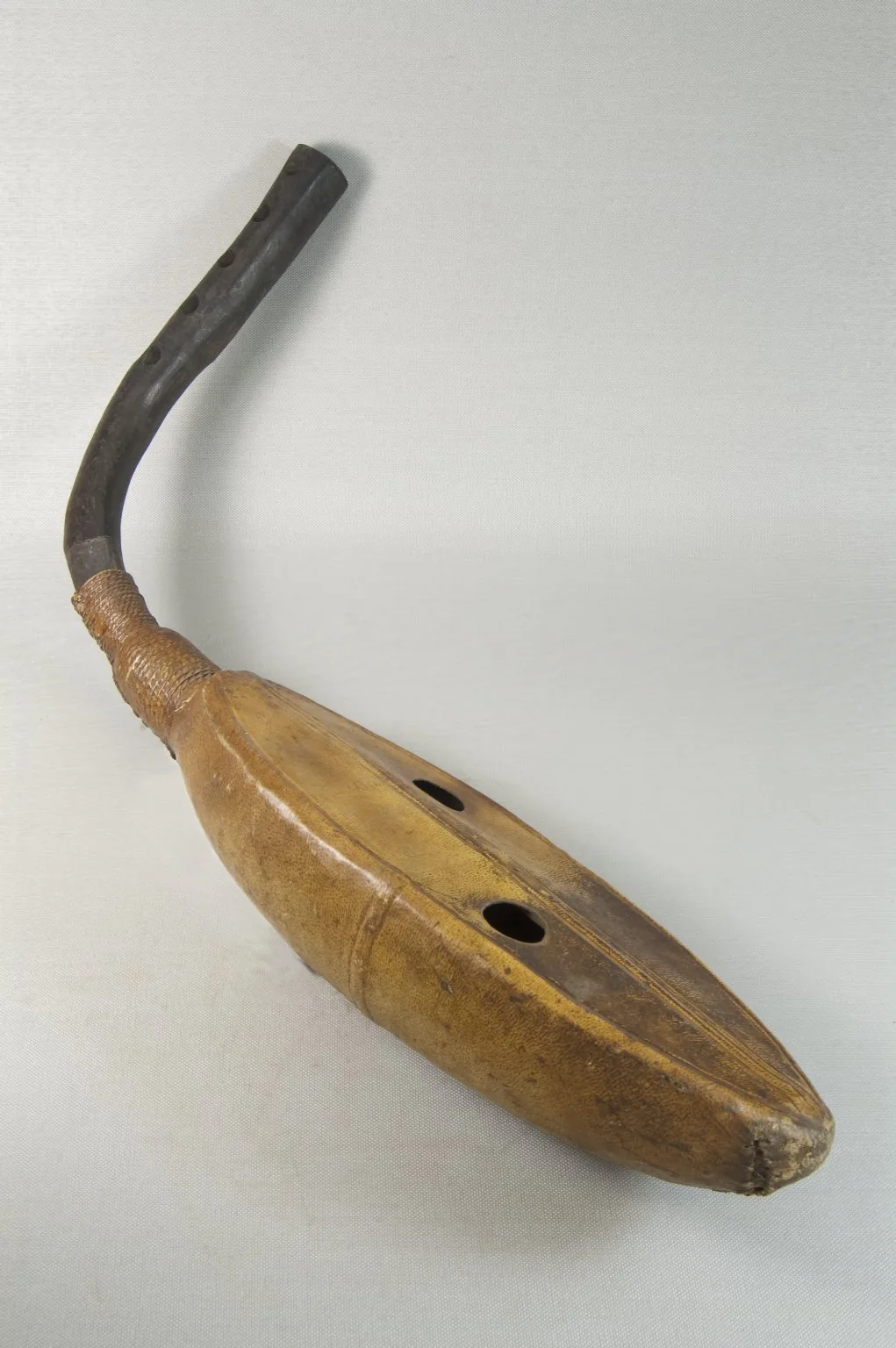
Specialist shops
La Mi du Piano offers 15 models on permanent display. Its Paris showroom lets you compare different brands side by side.
L’Instrumentarium, based in Lyon, organizes free introductory workshops. These sessions help you choose with confidence.
Trying before buying: practical advice
Allow at least 2 hours to test several instruments. Here is a useful checklist:
- Check ergonomics (weight, height)
- Compare sounds across different octaves
- Test the mechanisms (levers or pedals)
Do not hesitate to ask for technical guidance. Expert salespeople often guide buyers toward the right choice.
Rental or purchase: which should you choose?
Rental (€50-€150/month) is suitable for a first experience. Buying becomes worthwhile after 18 months of practice.
| Criterion | Rental | Purchase |
|---|---|---|
| Annual cost | €600-€1,800 | From €1,500 |
| Commitment | Short term | Long term |
| Maintenance | Included | Your responsibility |
“I chose rental for 6 months before investing. It allowed me to confirm my passion.” – Sophie, beginner harpist
Fairs such as Musicora are ideal for discovering new releases. Always check the certificate of authenticity before any purchase.
Conclusion
Finding the ideal instrument rests on three pillars: budget, repertoire, and ergonomics. Avoid impulse purchases and fragile materials that harm sound quality.
Choose recognized brands such as Camac for a lasting experience. The time spent trying different models in a shop is a valuable investment.
To go further, read our complete guide to the essential criteria. Masterclasses and specialist fairs are organized every quarter.
“My first harp stayed with me for 5 years thanks to a thoughtful choice,” says Léa, a student at the Lyon conservatory. Do not hesitate to ask our experts for a personalized trial.