The Middle Ages are a fascinating period in history, marked by cultural, social, and artistic advances. Among the many facets of this era, music held a central place. Music of the Middle Ages, with its liturgical chants, instrumental melodies, and polyphonic compositions, offers a unique glimpse into the artistic expression of this period.
Every year, many medieval music festivals are held in France to celebrate and bring this fascinating era back to life. These festivals showcase medieval music and attract a wide audience drawn by the variety of activities on offer. Among the most popular medieval festivals in France are the Bayeux Medieval Festival, the medieval Festival of Provins, and Les Médiévales du Grand Pic Saint-Loup.
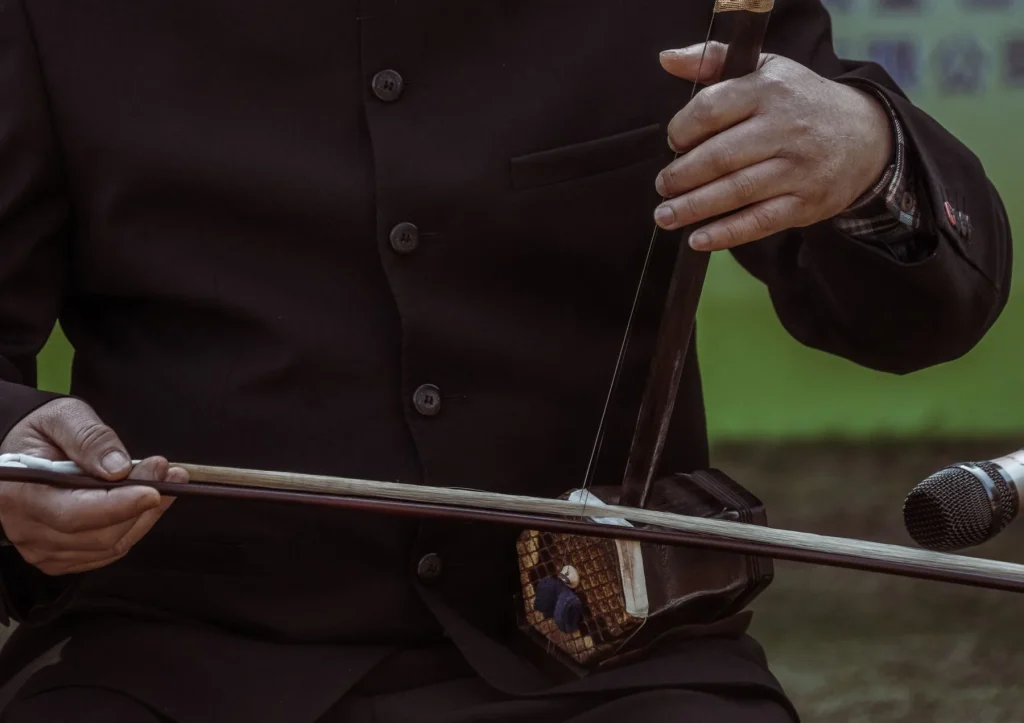
Attending a festival of medieval music offers the chance to step into the musical and cultural world of the Middle Ages. Visitors can discover ancient instruments, such as the vielle, the flute, the chalumeau, the cornett, the tambourine, the timpani, and bells, and explore the different medieval melodies that resonate at these enchanting events.
Medieval music is a true cultural and musical heritage that continues to fascinate lovers of musical discovery. It offers a unique sonic exploration and helps us better understand the musical culture of this history-filled era. If you love music or are simply curious to discover fascinating melodies, immerse yourself in the world of medieval music at the festivals held every year in France.
Characteristics of music in the Middle Ages
Music of the Middle Ages is distinguished by several key characteristics. First, it was mainly vocal, with particular importance given to liturgical chants. Monks and members of religious communities were the main performers of these chants, which were generally sung a cappella. The melodies were often monophonic, meaning they consisted of a single melodic line without harmonic accompaniment.
However, medieval music was not limited to liturgical chants. It also included instrumental melodies and polyphonic compositions. Instrumental melodies were played on instruments such as the vielle, the flute, the chalumeau, and the cornett. These wind and string instruments gave music of the Middle Ages its unique sonority.
Polyphonic compositions were an important component of medieval music. They consisted of several melodic voices performed simultaneously. These compositions, often sung by vocal ensembles, added a harmonic and contrapuntal dimension to the music.
Music of the Middle Ages, with its liturgical chants, instrumental melodies, and polyphonic compositions, offers a unique glimpse into the artistic expression of this period.
Music of the Middle Ages was deeply rooted in the culture and religion of the time. Liturgical chants reflected religious devotion and were intended to accompany ceremonies and prayers. Instrumental melodies were often played during festivities and secular entertainment. Polyphonic compositions testified to the creativity and musical mastery of the period.
With its liturgical chants, instrumental melodies, and polyphonic compositions, music of the Middle Ages represents a precious heritage of our musical culture. It allows us to discover and appreciate the unique sounds and artistic expressions of this fascinating period.
Examples of musical instruments from the Middle Ages
| Instrument | Description |
|---|---|
| Vielle | A bowed string instrument resembling the violin. |
| Flute | A wooden wind instrument that produces melodious sounds. |
| Chalumeau | An ancestor of the clarinet, often used in medieval music. |
| Cornett | A brass wind instrument with a duck-bill-shaped mouthpiece. |
| Tambourine | A small frame drum with jingles. |
| Timpani | A large metal drum, often used in bands. |
| Bells | Tuned bells that produce harmonic sounds. |
Cultural and religious influences
Music of the Middle Ages was deeply influenced by the culture and religion of the time. The Roman Catholic religion occupied a central place in medieval society, and liturgical music was essential in religious ceremonies. Gregorian chant, a style of monophonic chant used in church services, was a key element of sacred music in the Middle Ages.
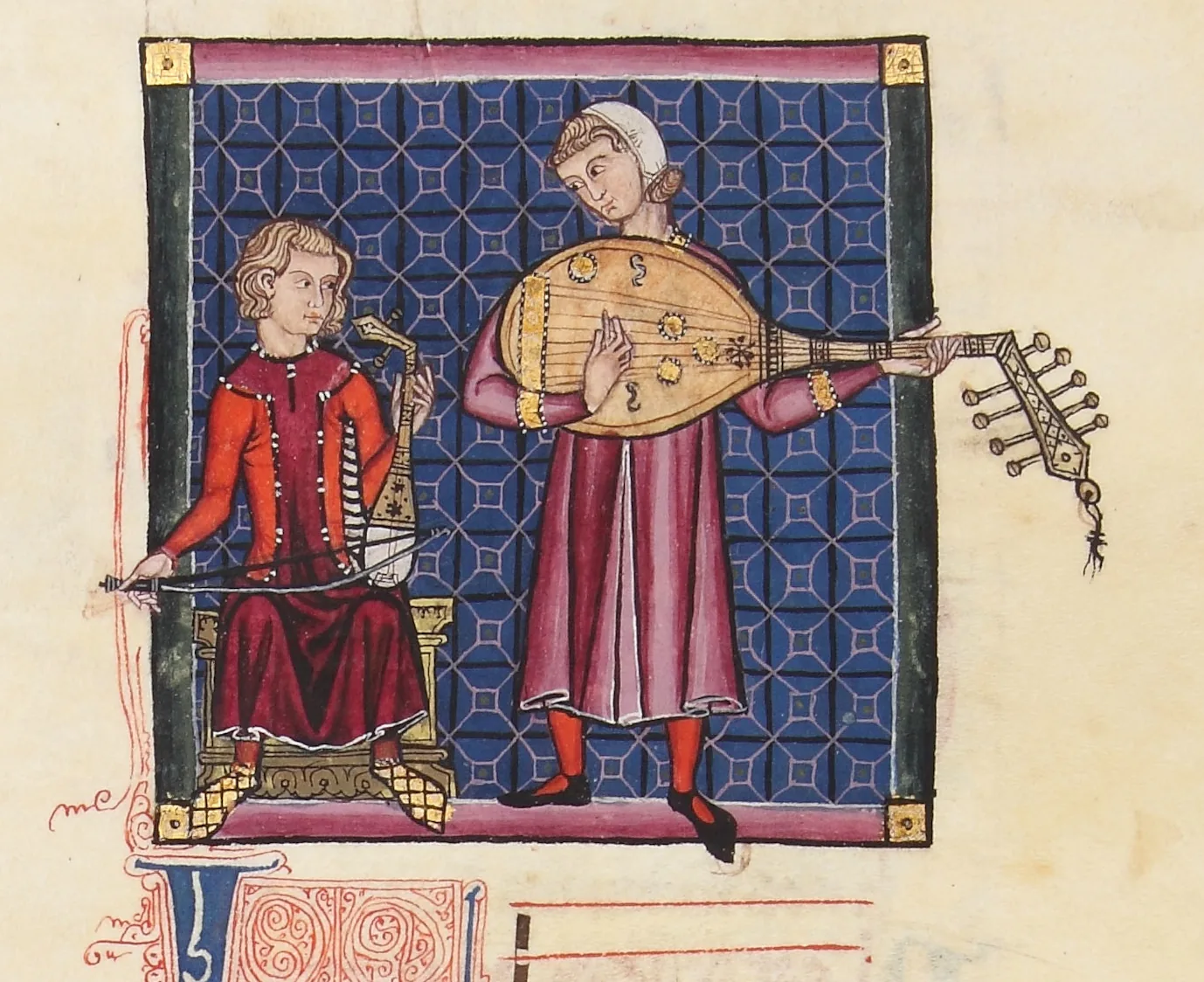
Outside the religious context, music was also present in secular entertainment. Troubadours and trouvères, itinerant poet-composers, contributed to the tradition of medieval secular music. Their songs, often accompanied by an instrument such as the vielle or the harp, dealt with themes of courtly love and chivalry.
The influence of the Roman Catholic religion
The Roman Catholic religion played a central role in medieval society and, consequently, in the music of this era. Liturgical chants, especially Gregorian chant, were essential in religious ceremonies. These monophonic chants were performed in churches and monasteries and were regarded as a form of musical prayer. They were characterized by modal melodies and a deep devotional expression.
Gregorian chant was often performed a cappella, without instrumental accompaniment. It was passed down from generation to generation through oral tradition, which explains why different interpretations of these sacred melodies exist.
Secular music: courtly love and chivalry
Outside the religious sphere, medieval music was also present in secular entertainment. Troubadours and trouvères were itinerant poet-composers who enlivened courts and castles with their songs. They frequently used instruments such as the vielle and harp to accompany their compositions.
The songs of the troubadours and trouvères were often inspired by courtly love and chivalry, romantic and idealized themes characteristic of medieval society. These songs were sung in aristocratic courts and celebrated the values of noble, courtly love as well as the heroic deeds of knights.
“Courtly love was a central idea in medieval society, and music was used to express the noblest and most refined emotions.” – Carl, medieval historian
| Gregorian chant | Troubadours and trouvères |
|---|---|
| Liturgical chants of the Roman Catholic religion | Itinerant poet-composers |
| Monophonic melodies performed a cappella | Songs accompanied by instruments such as the vielle and harp |
| Devotional expressions | Themes of courtly love and chivalry |
Today, medieval music continues to influence and fascinate listeners through its unique melodies and timeless themes. It allows us to discover and understand the art and culture of this fascinating era.
Medieval instruments
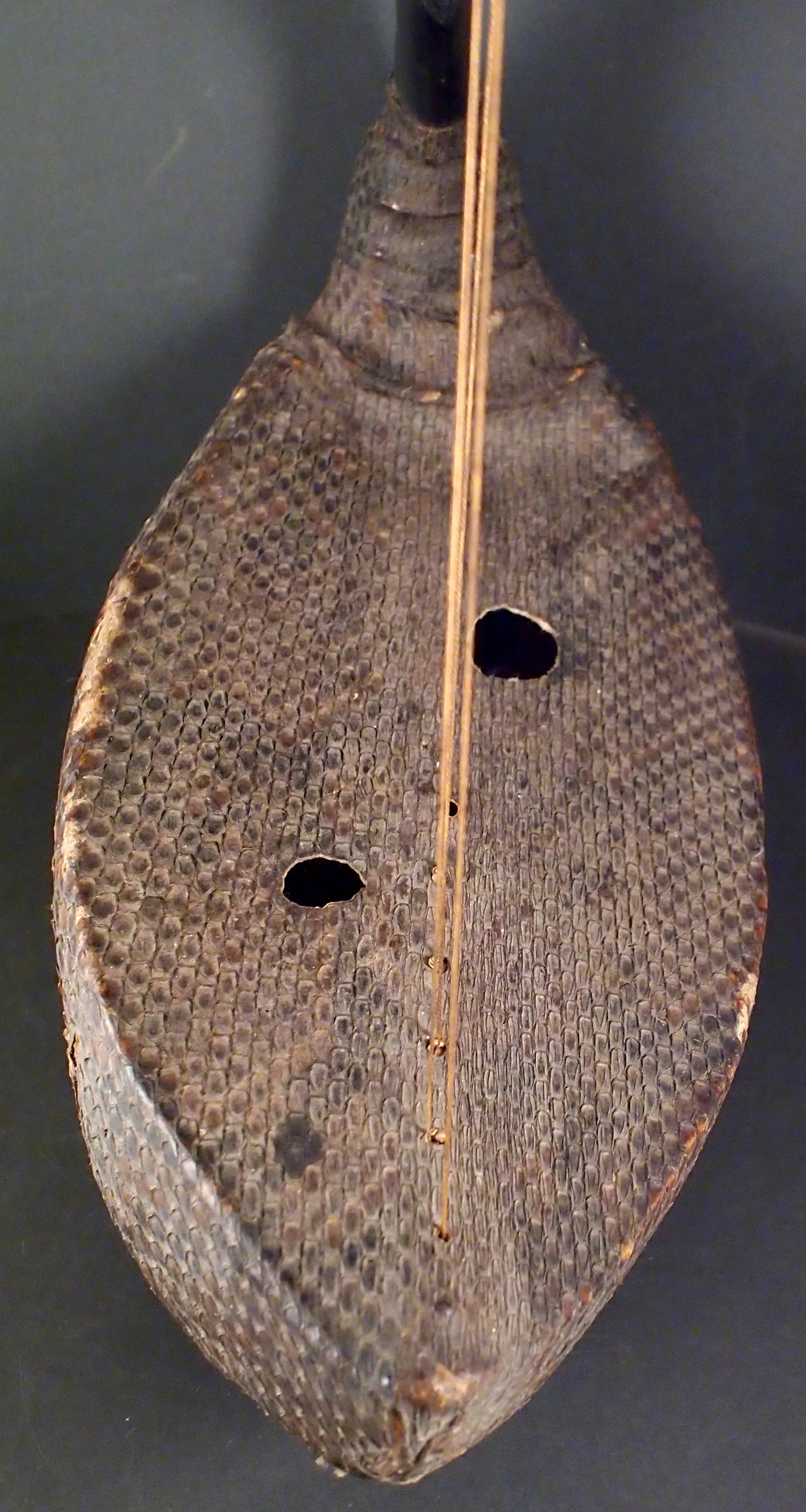
Instruments play an important role in medieval music. Although most recordings and scores from this era have been lost, we can learn more about the instruments through illustrations and written descriptions. Popular instruments of the Middle Ages included strings, winds, and percussion. The vielle, an ancestor of the violin, was a widely used bowed string instrument. Wind instruments included the flute, the chalumeau, and the cornett. Percussion included instruments such as the tambourine, the timpani, and bells.
The vielle was a highly prized string instrument in the Middle Ages. It was played by rubbing the strings with a bow to produce melodious tones. Similar to the modern violin, the vielle was used in both religious and secular contexts.
Wind instruments such as the flute, the chalumeau, and the cornett were also popular at this time. The flute was a wooden side-blown wind instrument, while the chalumeau was a precursor of the clarinet. The cornett was a copper wind instrument that produced a powerful, brilliant sound.
Among medieval percussion instruments, the tambourine, the timpani, and bells were commonly used. The tambourine was a small hand drum, often used to accompany dances and festivities. The timpani was a larger drum, played with sticks to create marked, lively rhythms. Bells, meanwhile, were used to create clear and distinct tones, adding a unique sonic dimension to medieval compositions.
Through the study of illustrations and written descriptions, we can better understand and appreciate the richness of medieval instruments and their contribution to the music of this fascinating era.
Heritage and contemporary influence
Music of the Middle Ages left a lasting legacy in Western classical music. The techniques and forms developed during this period laid the foundations for modern Western classical music, influencing centuries of musical composition.
Polyphony, a compositional style that involves layering several independent voices, was developed and refined during this period. This revolutionary musical technique opened the way to a creativity and complexity previously unknown in Western music.
Today, medieval music continues to inspire many artists and groups who strive to recreate the atmosphere and unique sonorities of this era. Specialized ensembles devoted to early music focus on authentic performance and the preservation of medieval music, using period instruments and appropriate playing techniques. These ensembles allow modern audiences to discover and appreciate music of the Middle Ages in all its splendor.
Example of a specialized ensemble: Ensemble Gilles Binchois
Ensemble Gilles Binchois, directed by Dominique Vellard, is one of the most renowned specialized ensembles in the performance of medieval music. Founded in 1979, it is dedicated to the study and promotion of early repertoire, especially medieval and Renaissance music. The ensemble uses period instruments and strives to recreate the authentic musical practices of each period.
Through their meticulous research and performance work, ensembles such as Ensemble Gilles Binchois help preserve and transmit the musical heritage of the Middle Ages. Their work helps keep this extraordinary music, with its captivating sonorities, alive.
In conclusion, the influence and legacy of music from the Middle Ages are undeniable in contemporary Western classical music. The technical innovations and musical forms developed during this period laid the foundations for music as we know it today. Thanks to specialized ensembles and passionate artists, medieval music continues to enchant listeners around the world, testifying to the richness and beauty of this fascinating period in musical history.
Medieval music: a diverse art rich in history
Medieval music, which extends from the Middle Ages to the beginning of the Renaissance, is an art that underwent many changes. It consists of two broad categories: religious music, of which Gregorian chant is the main representative, and secular music, illustrated by troubadours, trouvères, and minstrels.
In the 11th and 12th centuries, religious music was dominated by Gregorian chant, a monodic and modal liturgical chant. Romanesque art, which also influenced the music of this period, encouraged the emergence of polyphony, a musical technique consisting of the superimposition of several independent voices.
Secular music, meanwhile, was mainly represented by troubadours and trouvères, poets and composers who sang of courtly love and the heroic deeds of knights. Minstrels, itinerant musicians, were also very present at the celebrations and performances of the time.
Medieval music is a true testimony to the history and culture of this fascinating period. Its Gregorian chants, captivating melodies, and the talent of the troubadours carry us into the heart of an era rich in emotion and creativity.
To learn more about medieval music and its influence, we recommend consulting the following works:
- 100 Factsheets on the History of the Middle Ages by Stéphane Muzelle.
- France in the Middle Ages by André Chédeville.
- The 100 Words of the Middle Ages by Nelly Labère and Bénédicte Sère.
- Dictionary of the Middle Ages edited by Claude Gauvard, Alain de Libera, and Michel Zink.
- Medieval Empires by Sylvain Gouguenheim.
- The Institutions of Medieval France: 11th-15th Century by Romain Telliez.
- Barbarian Europe, 476-714 by Sylvie Joye.
- The True Face of the Middle Ages: Beyond Common Misconceptions edited by Nicolas Weill-Parot and Véronique Sales.
- The Middle Ages: the King, the Church, the Great, the People, 481-1514 edited by Philippe Contamine, Olivier Guyotjeannin, and Régine Le Jan.
- Religious History of the Medieval West by Jean Chélini.
Medieval music is a true artistic treasure that deserves to be explored and appreciated. Through its captivating melodies and rich history, it continues to fascinate and inspire today’s generations.
Medieval music festivals in France: a journey through time
Every year, many medieval music festivals are held across France to celebrate and bring this fascinating era back to life. These events offer the public a unique opportunity to discover or rediscover the music of the Middle Ages while enjoying activities, performances, and carefully staged presentations.
The medieval market is often a central element of these festivals, giving visitors the chance to buy art objects and crafts inspired by the medieval period. Theater and dance companies, as well as musical troupes, also contribute to the lively, festive atmosphere of these events.
Among the most popular festivals in France are the Bayeux Medieval Festival, the medieval Festival of Provins, and Les Médiévales du Grand Pic Saint-Loup. These events attract a large audience every year, drawn by the beauty and diversity of the activities on offer.
Music of the Middle Ages comes alive at these festivals, transporting spectators into a genuine immersion in the past. Performances by troubadours and minstrels, medieval dances, and historical reenactments create a magical atmosphere, allowing everyone to experience a true journey through time.
Example program for a medieval music festival:
| Day | Time | Event |
|---|---|---|
| Friday | 7 p.m. | Opening concert: liturgical chants of the Middle Ages |
| Saturday | 2 p.m. | Juggling and medieval dance performance |
| Sunday | 11 a.m. | Workshop on making medieval instruments |
| Sunday | 4 p.m. | Grand medieval parade through the town streets |
Medieval music festivals in France offer an exceptional opportunity to dive into history, discover unique sonorities, and enjoy unforgettable moments of entertainment. Whether you love music, history, or are simply curious, do not miss the chance to take part in one of these festivals and enjoy an extraordinary experience.
Conclusion
In conclusion, medieval music is a precious witness to the artistic expression of this era. Through its liturgical chants, instrumental melodies, and polyphonic compositions, it carries us on a captivating journey through time. The unique sonorities of medieval instruments and the distinctive characteristics of this music testify to the cultural and historical richness of the period.
Today, many medieval music festivals celebrate this heritage in France and around the world. These events are an opportunity to immerse yourself in the medieval universe, discover culture and history, and enjoy performances by passionate artists. Medieval music festivals highlight not only traditional instruments but also the art of the period, creating an immersive experience for visitors.
Medieval music has also had a significant influence on contemporary Western music. Some techniques and compositional forms developed during the Middle Ages continue to be used and explored today. This musical heritage, which dates back centuries, is an inexhaustible source of inspiration for artists and music lovers eager to discover new sonorities and explore their own cultural heritage.
Whether you are passionate about medieval music, interested in history, or simply curious to discover the fascinating world of this era, medieval music offers a unique sensory and intellectual journey. Immerse yourself in this experience and let yourself be carried away by the magic of music from the Middle Ages.