The Middle Ages was a period marked by cultural, social, and artistic advances. Music of the Middle Ages, with its liturgical chants, instrumental melodies, and polyphonic compositions, offers a unique glimpse into the artistic expression of this period. In this article, we will step into the world of medieval music, exploring its characteristics, influences, and lasting legacy.
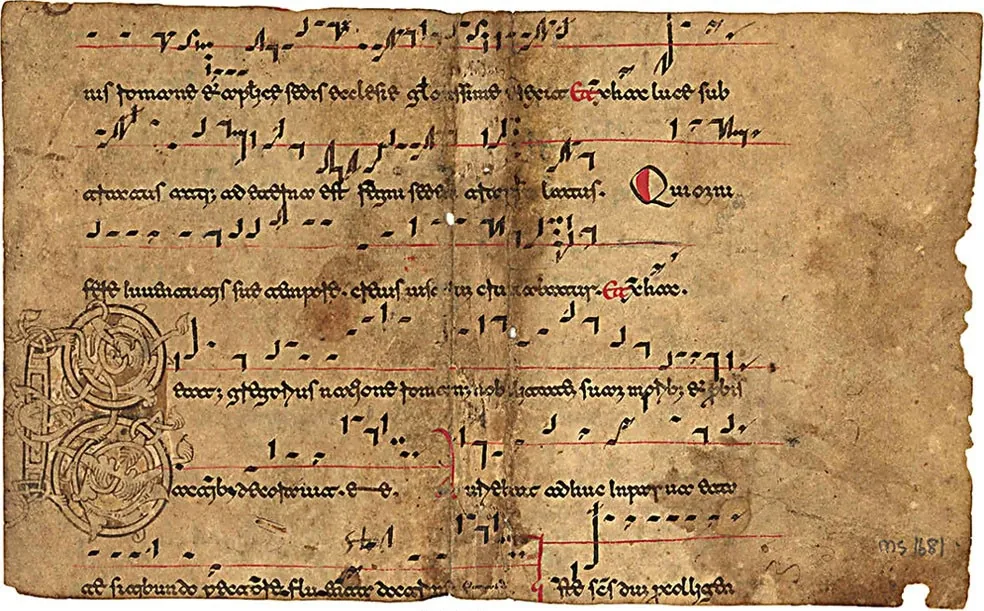
Music of the Middle Ages was primarily vocal, highlighting liturgical chants performed a cappella by monks and clergy. Medieval melodies were mostly monophonic, made up of a single melodic line without harmonic accompaniment.
The musical modes commonly used were the Dorian mode, the Phrygian mode, and the Lydian mode, bringing a captivating musical diversity.
Medieval music was deeply influenced by the Roman Catholic religion, with Gregorian chant as a key element of sacred music. Troubadours and trouveres contributed to medieval secular music, addressing themes such as courtly love and chivalry.
Medieval instruments included strings (such as the vielle), winds (flute, chalumeau), and percussion (tambourine, bells). Polyphony, developed during the Middle Ages, laid the foundations for Western classical music.
Ensembles specializing in medieval music use period instruments for authentic interpretation. Medieval music continues to inspire many contemporary artists and groups seeking to recreate its atmosphere and sounds.
Characteristics of Music in the Middle Ages
Music of the Middle Ages is characterized by a wealth of liturgical chants and polyphonic compositions. It is closely tied to spirituality and was performed a cappella by monks and clergy. Medieval melodies were mostly monophonic, without harmonic accompaniment. Yet musical diversity was present through the common use of musical modes, such as the Dorian mode, the Phrygian mode, and the Lydian mode, which offered a varied palette of sounds.
Polyphony was a major advance of this era. It allowed voices to be layered and more complex compositions to develop. This technique was continually developed and refined during the Middle Ages, giving rise to unmatched polyphonic masterpieces.
Alongside liturgical chants, secular musical currents also emerged. Troubadours and trouveres, itinerant poets and musicians, performed secular music centered on themes such as courtly love and chivalry. Their music offered an alternative to religious melodies, adding a secular dimension to the medieval music scene.
Instruments also played an important role in medieval music. Musicians used a variety of string instruments, such as the vielle, as well as wind instruments, including the flute and the chalumeau. Percussion, such as the tambourine and kettledrum, brought rhythmic drive to compositions. Each instrument contributed to the ensemble by creating unique timbres and enriching the listeners’ auditory experience.
The legacy of music from the Middle Ages is deep and lasting. Its contribution to contemporary Western music is undeniable. Specialized ensembles are devoted to authentic performances of medieval music. They use period instruments and appropriate playing techniques to recreate the atmosphere and beauty of this bygone era.
Cultural and Religious Influences
Medieval music was deeply shaped by the Roman Catholic religion, which played a central role in the society of the time. Gregorian chants, performed during religious ceremonies, held a prominent place in medieval music. These liturgical chants, characterized by monody, melodic simplicity, and devotion, testify to the profound influence of the Catholic religion on musical creation.
However, medieval music was not limited to religious settings. Outside liturgical ceremonies, it was also present in secular entertainment. Troubadours and trouveres, itinerant poet-composers, were important figures in medieval music. They performed in aristocratic courts and entertainment venues, bringing a repertoire rich in poetry and music. Their secular songs, often accompanied by instruments such as the vielle, evoked courtly love, nature, and everyday life.
The Legacy of Gregorian Chants
Gregorian chants, still sung in some Catholic places of worship, continue to influence contemporary music. Their monody and sacred character have inspired many classical composers. Elements of these chants appear in contemporary compositions, creating a link between medieval music and Western classical music.
The Impact of Troubadours and Trouveres
Troubadours and trouveres also left a lasting legacy in Western music. Their lyrical and poetic style influenced later artistic movements, such as the Renaissance and Romanticism. Their music, associated with themes such as courtly love and the spiritual quest, continues to fascinate listeners and inspire many contemporary artists.
| Characteristics of medieval music influenced by the Catholic religion | Characteristics of medieval music found in the songs of troubadours and trouveres |
|---|---|
| Gregorian chants performed during religious ceremonies | Use of instruments such as the vielle |
| Monody and melodic simplicity | Themes of courtly love and nature |
| Devotion and sacred character | Performance in aristocratic courts and entertainment venues |
Medieval Instruments
Music of the Middle Ages was primarily vocal, but it also included the use of instruments. Popular instruments of this period included strings, winds, and percussion.
The vielle was one of the most commonly used instruments. It is a bowed string instrument, considered an ancestor of the modern violin. The vielle was often used to accompany songs and add subtle harmony to medieval music.
Wind instruments also played an important role in medieval music. The flute was one of the most popular instruments in this category. It was used to produce gentle, enchanting melodies that complemented liturgical chants.
Another commonly used wind instrument was the chalumeau. It resembled a flute but had a single-reed mouthpiece. The chalumeau added a unique and distinctive sonority to medieval music.
As for percussion, the tambourine was the most widespread instrument. It was played by shaking it or striking the stretched skin with the hand or another object to produce a vibrant rhythm. Bells were also used as percussion instruments to mark the rhythm and add solemnity to liturgical chants.
| Instruments | Types |
|---|---|
| Vielle | Bowed strings |
| Flute | Winds |
| Chalumeau | Winds |
| Tambourine | Percussion |
Medieval instruments were used to add texture, richness, and emotion to vocal music. They helped create an intoxicating atmosphere and capture the spirit of this fascinating era.
Legacy and Contemporary Influence
Max Weber’s study of musical practices in the European Middle Ages highlights the importance of the Western musical heritage attributed to rational harmony, instrumentation, musical genres, and the system of notation. Weber’s research emphasizes the role of medieval monks in the rationalization of polyphony and their sociological contribution to the birth of modern musical techniques within the Western Christian Church. However, after Weber’s posthumous publication in 1921, his work on the sociology of music went through a period of neglect before being rediscovered and reassessed in the 1990s, with growing interest and attention from scholars.
Despite its recognition, Weber’s work has also faced recent criticism questioning the perceived Eurocentrism and teleological aspects of his analysis, while debating continuity versus discontinuity in the development of music, from popular styles to sophisticated styles. This reception has led to certain misunderstandings, particularly regarding Weber’s emphasis on the rationalization of music and the influence of religion, especially the role of the Christian Church, in the genesis of European music.
By examining Weber’s late writings on music, such as “The Notation of Music as a Condition for the Development of Western Music,” we can better understand his view of the central role of modern musical notation in shaping European musical tonality within the historical context of medieval musical practices.
Today, the legacy of medieval music is still present in Western music. Many artists and groups draw inspiration from this era and strive to recreate the unique atmosphere and sounds of the Middle Ages. Ensembles specializing in early music are devoted to authentic performances of medieval music, allowing contemporary audiences to discover and appreciate this ancient form of musical expression. The influence of medieval music endures in Western classical music and continues to enrich our musical heritage.

Conclusion
Music of the Middle Ages is a priceless treasure of musical history, carrying listeners toward a distant era filled with mystery and splendor. The liturgical chants, instrumental melodies, and polyphonic compositions of this period offer a captivating and immersive experience, allowing us to step into the past and discover the unique sounds of this bygone age.
By exploring this medieval musical heritage, we can better understand the origins and developments of contemporary Western music. The musical legacy of the Middle Ages still resonates today in classical compositions and early music ensembles, testifying to the importance of this period in the construction of our current musical landscape.
Musical exploration of the Middle Ages offers a fascinating opportunity to enter a little-known era and discover musical treasures that are often forgotten. By listening to, studying, and appreciating medieval music, we can broaden our understanding and appreciation of the richness and diversity of musical art through time.