
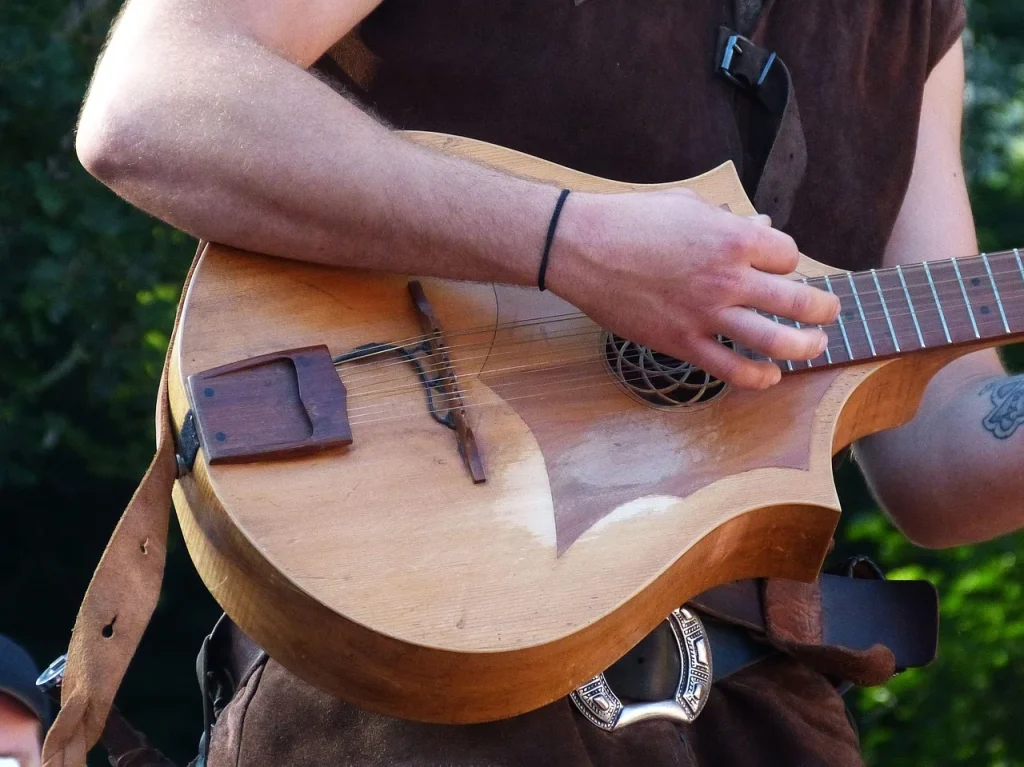
Modern medieval music is a musical genre that features contemporary groups reinventing the past through a unique musical fusion. These artists blend elements of medieval folk music with a modern interpretation, creating a musical heritage rooted in ancient styles while adapting them to contemporary taste. These groups captivate their audience with original compositions that incorporate traditional instruments and sounds, offering an extraordinary musical experience.
Discover how contemporary groups reinvent the past through modern medieval music, fusing ancient musical traditions with a contemporary approach. Dive into the musical heritage of the past and let yourself be carried away by the spellbinding sounds of modern medieval music.
The influence of medieval music on contemporary music.
Modern medieval music has a significant influence on contemporary music. Contemporary artists draw on the sounds and styles of medieval music to create original compositions that integrate a unique musical fusion. Elements of medieval music are often used to bring a touch of authenticity and nostalgia to contemporary music, while also exploring new sonic territories. This fusion of genres creates a rich and varied musical landscape, where artists can draw from different musical traditions to create unique and captivating works.
When urban musicians were inventoried during the Fête de la Musique in Caen, it was observed that a diversity of musical groups performed, with a variety of instruments and musical styles represented. During the night, acoustic music was more present in the medieval part of the city, while more modern electric music was played elsewhere and attracted a larger crowd. These observations highlight the way modern medieval music finds its place in contemporary music and manages to reach a broad audience.
The text also emphasizes the variety of musical genres performed that evening, such as progressive rock, French chanson, Irish music, jazz, raï and other musical styles, reflecting cultural and artistic diversity. Contemporary artists draw inspiration from this diversity to create original compositions that incorporate medieval influences. This fusion of styles pushes the boundaries of contemporary music and creates unique works that captivate listeners.
Modern medieval music offers rich inspiration in musical styles and original compositions. Contemporary artists draw from this source of inspiration to create unique works that reflect the fusion of medieval and contemporary influences.
The author also mentions details about the musicians and instruments used, ranging from violins, guitars and pianos to African drums, Scottish bagpipes and flutes, demonstrating the plurality of musical resources involved. This instrumental diversity contributes to the richness and depth of modern medieval music, giving it a unique sonic texture.
The coexistence of different musical groups in various spaces around the city highlights the richness and depth of contemporary musical expression, which draws on varied influences ranging from rock to world music. This diversity creates a dynamic musical landscape in which modern medieval music finds its place and continues to evolve.
The musical genres played included adaptations of popular songs, classical pieces replayed by amateurs, original compositions and covers of world music, illustrating a fusion of styles and influences in modern music. This fusion of styles enables contemporary artists to push the limits of musical creativity and explore new sonic territories.
In conclusion, the influence of medieval music on contemporary music is undeniable. Contemporary artists draw on the sounds and styles of medieval music to create original compositions that integrate a unique musical fusion. This fusion makes it possible to create a rich and varied musical landscape, where artists draw from different musical traditions to create unique and captivating works.
| Musical styles | Instruments used |
|---|---|
| Medieval music | Violins, guitars, flutes |
| Progressive rock | Electric guitars, drums |
| French chanson | Acoustic guitar, piano |
| Irish music | Fiddle, accordion |
| Jazz | Saxophone, double bass |
| Raï | Darbouka, oud |
| World music | Ethnic percussion, traditional instruments |
Contemporary groups that reinvent medieval music.
Today, many contemporary groups specialize in reinventing medieval music. These artists, passionate about the medieval era, aim to recreate the sounds and musical atmospheres of that period while adapting them to contemporary taste.
These contemporary groups skillfully fuse traditional instruments with original compositions to create unique music that appeals to their audience. Their innovative and creative approach offers a new perspective on medieval music and explores new sonic horizons while showcasing the talent of medieval artists.
This blend of traditional sounds and original compositions enables contemporary groups to captivate listeners by offering an extraordinary musical experience. The artists thereby create a musical fusion that combines both modernity and medieval heritage.
These contemporary groups that reinvent medieval music are true musical explorers. They highlight the richness and diversity of medieval music while adapting it to the contemporary context. Their creativity and talent help promote and preserve this ancestral art form while making it accessible and relevant for today’s listeners.
The legacy of medieval music in contemporary music.
The legacy of medieval music can be found in many aspects of contemporary music. The melodies and harmonic structures of medieval music have greatly influenced modern musical composition, bringing depth and richness to today’s music.
Contemporary artists have drawn on the aesthetic and stylistic elements of medieval music to create original works that carry the influence of that era. The evocative melodies and recurring motifs characteristic of medieval music appear in many contemporary compositions, adding a historical and cultural dimension to today’s music.
The musical heritage of the Middle Ages is also expressed through the influence of traditional instruments used at the time. Instruments such as the vielle, recorder, lute and medieval percussion have been reintroduced and reinvented in contemporary music, creating a direct link with the past.
This fusion between medieval musical heritage and modernity offers listeners a unique musical experience. By borrowing from this distant era, contemporary composers explore new melodic, harmonic and rhythmic possibilities while maintaining a connection with the historical roots of music.
The influence of medieval melodies
The melodies of medieval music have a timeless quality that continues to captivate contemporary listeners. Melodic structures, often based on medieval modes such as the Dorian or Lydian mode, give modern music a distinctive and spellbinding atmosphere.
The melodic influences of medieval music can be heard in various contemporary genres, such as folk music, classical music and even popular music. The beauty and simplicity of medieval melodies still resonate today, offering a pleasing contrast with modern complexity.
The importance of harmonic structures
The harmonic structures of medieval music have also had a significant impact on contemporary music. The simple chords and harmonic progressions used in that era have found their place in modern composition.
The use of modal harmony, such as perfect chords, thirds and parallel sixths, adds unique richness and color to contemporary music. Contemporary artists have adopted these simple yet expressive harmonic structures, creating original compositions that integrate medieval musical heritage while remaining relevant for modern listeners.
The continuing influence of medieval music
The influence of medieval music on contemporary music continues to grow. More and more artists are discovering this fascinating era and drawing inspiration from it to create works that reflect both the essence of the Middle Ages and modernity.
This resurgence of medieval music in contemporary music testifies to the richness of the musical heritage of the past. By exploring the melodies, harmonic structures and influences of that era, contemporary artists continue to push the boundaries of musical creativity, creating a timeless connection between past and present.
| Musical heritage | Medieval music | Modernity | Melodies | Harmonic structures | Influences |
|---|---|---|---|---|---|
| Preservation of tradition | Exploration of historical roots | Creation of relevant contemporary music | Use of timeless melodies | Adaptation of medieval harmonic structures | Lasting influence on modern music |
The fusion of ancient styles in modern medieval music.
Modern medieval music is a musical genre that pushes the boundaries of early music by pairing it with a contemporary approach. Artists who practice this form of music explore different ancient musical styles and fuse them with modern elements, creating a new and innovative musical experience.
This fusion of styles enables artists to draw on ancient musical traditions while exploring new sounds and pushing the boundaries of medieval music. They integrate traditional instruments, ancient songs and original compositions to create music that captivates listeners and opens new perspectives in the contemporary musical landscape.
This innovative approach to modern medieval music also offers a way to preserve and highlight ancient musical traditions. By fusing ancient styles with modern elements, artists create a link between past and present, allowing listeners to discover and appreciate the musical heritage of the past in a new and accessible way.
Modern medieval music is therefore a true testament to innovation and creativity. The artists who practice this form of music push the limits of what is considered traditional or contemporary, creating music that echoes ancient musical traditions while remaining relevant for today’s listeners.
"Modern medieval music is a true bridge between past and present, combining ancient traditions with contemporary innovation."
The fusion of ancient styles in modern medieval music testifies to the richness and diversity of music, reflecting artists’ ability to create works that transcend eras and musical genres. This fusion offers a new perspective on ancient musical heritage, allowing listeners to discover ancient musical traditions in a new and exciting way.
| Period | Journal | Years active |
|---|---|---|
| 1759-1778 | Le Journal des dames | 1759-1778 |
| 1785-93 | Le Cabinet des modes | 1785-93 |
| 1797-1839 | Le Journal des dames et des modes | 1797-1839 |
Conclusion.
Modern medieval music offers a fresh perspective on the musical heritage of the past by reinventing it through a unique musical fusion. Contemporary groups devoted to this form of music bring freshness and originality to the musical landscape by offering compositions that blend tradition and modernity. Through their passion for the medieval era and their artistic talent, these groups continue to captivate their audience by offering unique and unforgettable performances. Modern medieval music plays an essential role in preserving and promoting ancient musical heritage, while making it accessible and relevant for contemporary listeners.
By drawing on influences from the past and combining them with a contemporary approach, this form of music creates a bridge between eras and allows listeners to discover the rich medieval musical heritage in a new and fascinating way. Traditional sounds fuse with modern elements, creating a captivating and innovative musical experience.
Interest in modern medieval music continues to grow, as does the diversity of styles and groups dedicated to it. Contemporary artists explore new sonic frontiers, push the limits of the genre and offer compositions influenced by the past but firmly rooted in the present. Whether through live concerts, studio recordings or performances at medieval festivals, modern medieval music continues to amaze and appeal to a broad audience, attesting to its relevance and popularity.