
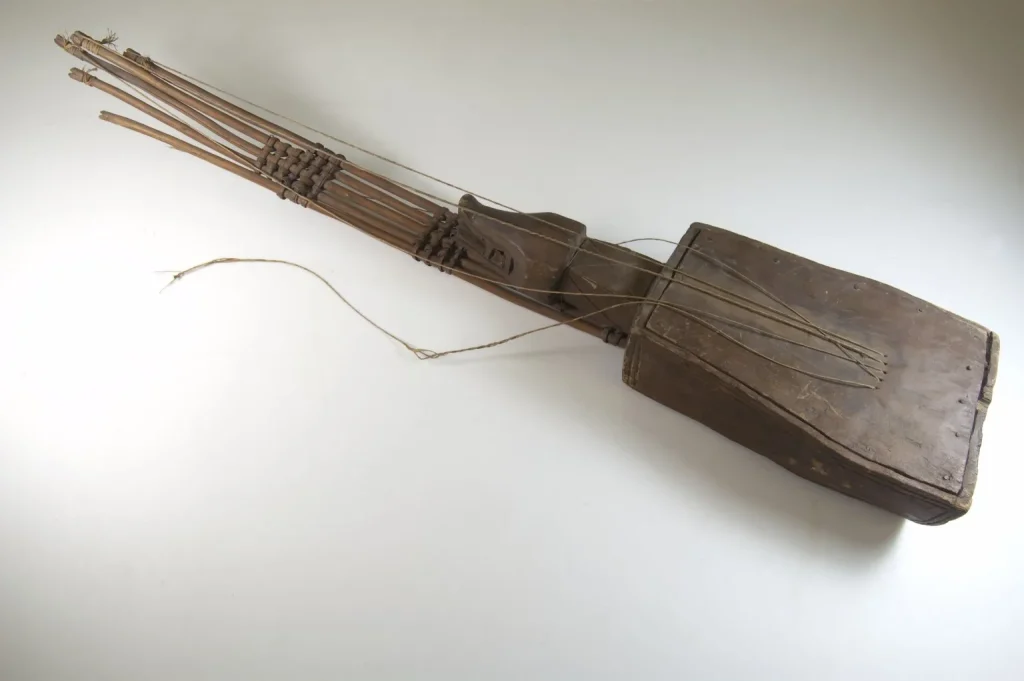
An instrument as delicate as the harp requires special attention to preserve its sound and mechanics. Without proper care, intonation problems or premature wear can occur, reducing its lifespan.
Did you know that regular maintenance can increase its longevity by 30%? As early as the 19th century, professional harpists used rigorous methods to protect their precious instruments.
This guide covers six essential areas, adapted to different types of models (Celtic, pedal, or electric). Practical tips will help you preserve every detail, from the strings to the structure.
The basics of daily harp cleaning
Professional harpists know it well: proper cleaning prevents many problems. A simple but precise routine protects the wood, strings, and mechanisms. Here is how to proceed without risking damage to your instrument.
Recommended materials for safe cleaning
Choose a soft microfiber cloth, ideal for capturing particles without scratching. Avoid common household products:
- Ammonia and solvents: they attack the varnish.
- Abrasive products: they create micro-scratches.
- Rough cloths: they damage carved details.
Techniques for removing dust and dirt
Start by dusting with a badger-hair brush, especially on the mechanisms. For the strings:
- Wipe gently from top to bottom.
- Pay particular attention to the areas near the tuning pins.
- Use a slightly damp cloth if necessary.
Protecting the wood and varnish
Apply a special wax (such as MusicNomad) once a month. For resin stains:
- Use a specific product for natural varnish.
- Always test it on a small hidden area.
A hygrometer helps maintain a stable humidity level, thereby preserving the materials.
Regular string maintenance
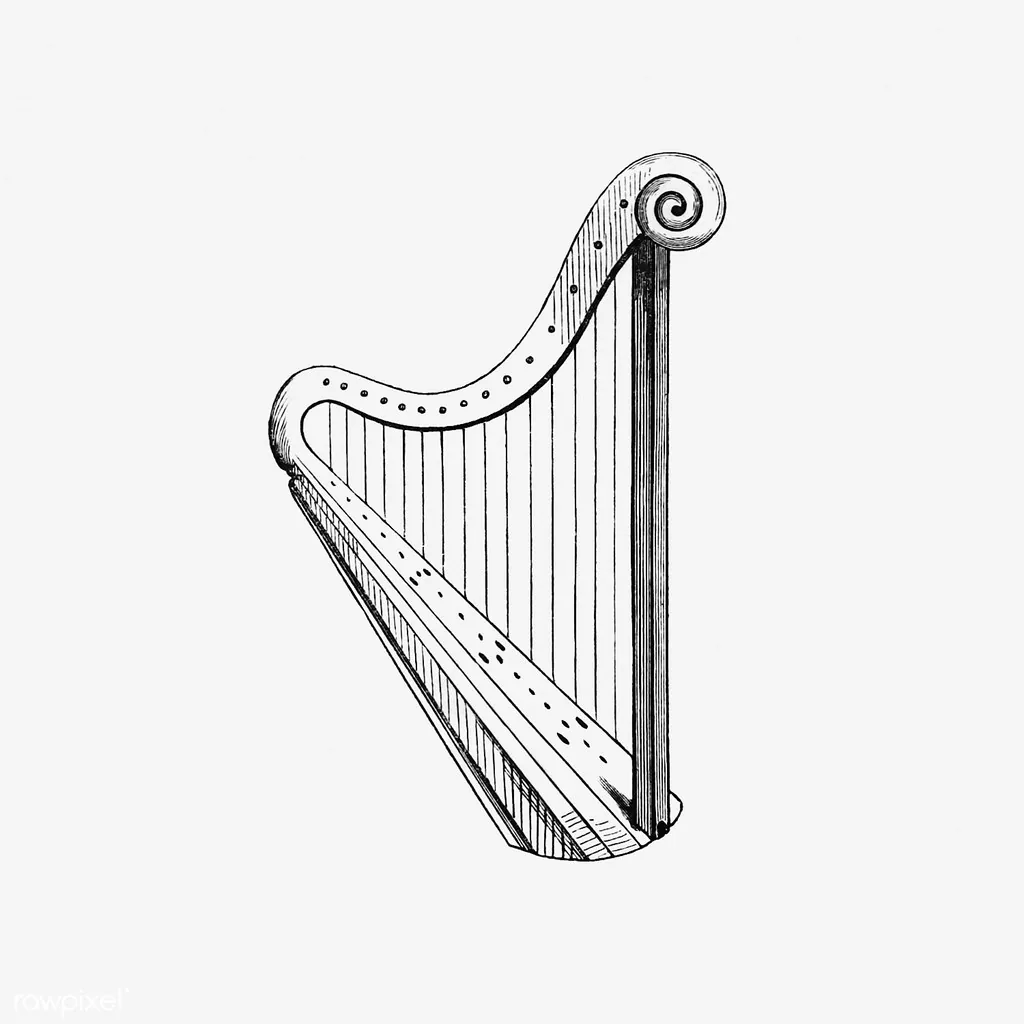
The strings are the soul of your instrument. Their condition directly affects sound quality and pitch accuracy. Proper maintenance extends their lifespan and preserves their unique tone.
Spotting signs of wear
Inspect your strings regularly to detect:
- Visible oxidation or dull areas
- Unexplained changes in tone
- A loss of flexibility to the touch
These symptoms often indicate that replacement is needed. Gut strings wear out faster than nylon strings.
Replacing a faulty string
Here are the key steps for a successful change:
- Slowly loosen the used string with the tuning pins
- Use cutting pliers to remove any remaining fragments
- Attach the new string following the traditional winding direction
A specific tuning key lets you adjust maple tuning pins precisely.
Optimizing string tension
Sound quality depends on perfect adjustment. Avoid over-tensioning, especially in the treble range. Apply the Lyon “voicing” technique:
- Tune gradually over 48 hours
- Check stability every day
- Use a tuning fork to check pitch accuracy
A table of recommended tensions by string type can guide your adjustments.
Checking and maintaining the mechanisms
A harp’s mechanism is a complex system that requires special attention. Regular use can cause wear on moving parts, affecting precision and sound quality.
Checking the pedals (for pedal harps)
The pedals are essential for changing notes quickly. Here are the points to check:
- Springs: check their tension every three months
- Fork discs: look for signs of wear
- Felts: replace them as soon as they become thin
Lubricating with Teflon lubricant preserves smooth playing.
Lubricating and adjusting moving parts
Axles and pivots require specific maintenance:
- Clean the metal parts with a dry cloth
- Apply a thin layer of special grease
- Check that there is no excessive play
This simple procedure prevents 80% of mechanical problems.
Adjusting levers (Celtic harps)
On models without pedals, semitone levers require extreme precision. Inspect:
- The fastening of the adjustment screws
- The alignment of the stop notches
- The quality of the return springs
Beware of non-approved manufacturing parts, which can damage the mechanism.
“An annual service by an approved technician prevents major malfunctions.”
Optimizing storage conditions
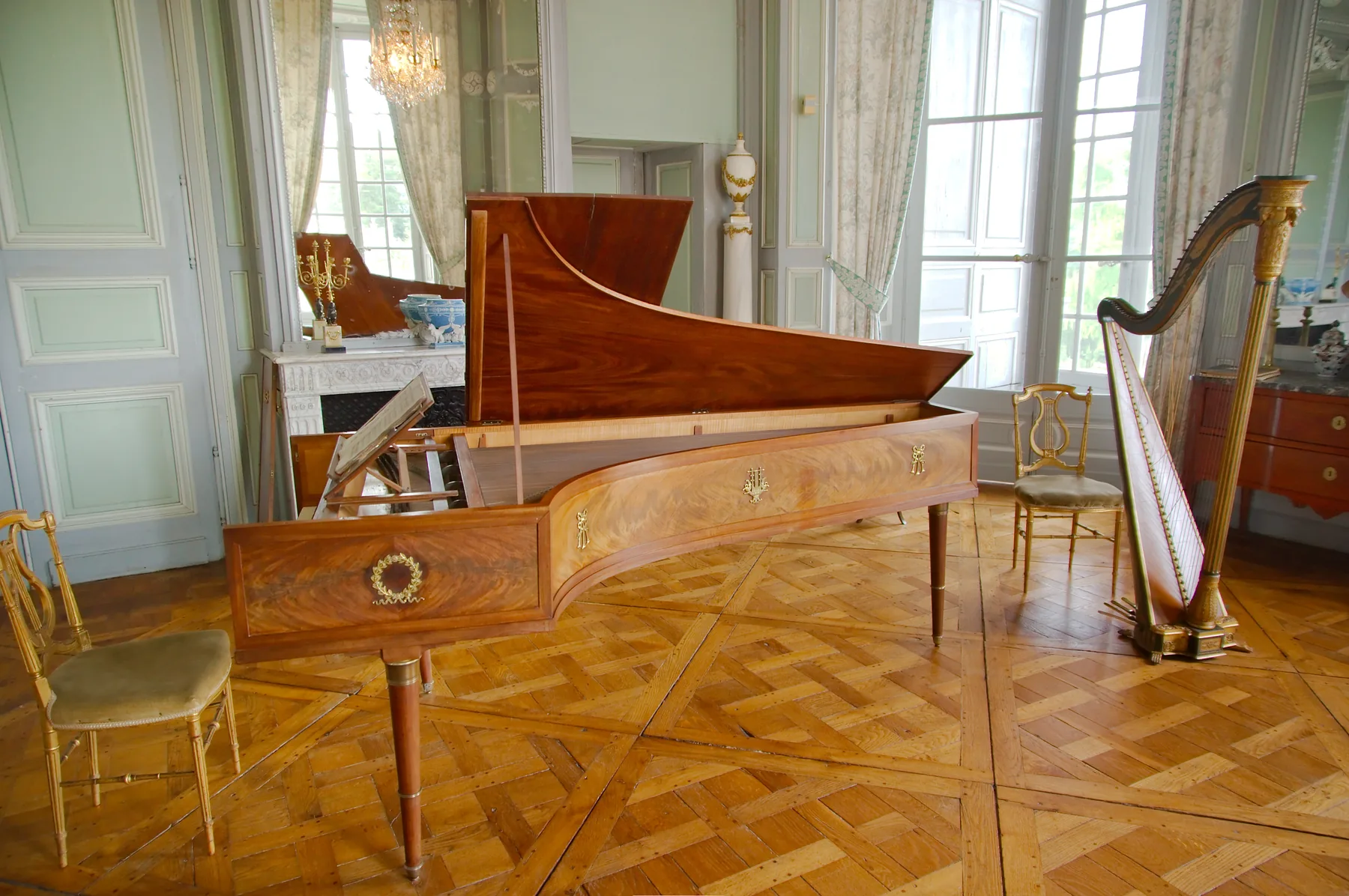
Ideal harp storage rests on three pillars: stability, protection, and control. Poor storage can alter the wood and throw the strings out of tune in just a few weeks. With the right practices, you preserve the lifespan of your instrument.
Managing humidity and temperature
Maintain a humidity level between 45% and 55% with a hygrometer. For seasonal changes:
- Use silica gel packets in the case
- Avoid direct radiators and air conditioners
- Choose a quiet ultrasonic humidifier
The ideal temperature is between 18°C and 22°C. In the event of thermal shock:
- Let the instrument acclimatize for 24 hours
- Gradually check the string tension
- Inspect the wood joints
| Method | Advantages | Precautions |
|---|---|---|
| Silica gel | Economical, rechargeable | Replace every 2 months |
| Electronic humidifier | Digital precision | Clean every week |
| Saline solution | Natural | Manual monitoring |
Choosing a suitable location
The attention paid to the storage location prevents 60% of problems. Avoid:
- Exterior walls (temperature fluctuations)
- Damp basements
- High-traffic areas
Choose a space:
- Away from vibrations
- Far from windows
- On an antistatic rug
Protection from insects and direct light
UV-protective covers protect against sunlight. Against woodworm:
- Apply a neem treatment (natural oil)
- Regularly inspect the ventilation holes
- Use pheromone traps
“Optimal storage cuts mechanical maintenance needs in half.”
For transport, always allow an acclimatization period before playing. A thermoregulated cover is ideal for travel.
When should you call a professional technician?
Some problems are beyond an amateur’s skills and require a specialist’s expert eye. Experienced harpists know it: a late intervention can multiply costs by five. Here is how to identify the right time to call a professional.

Signs that require expert intervention
Several symptoms reveal a critical situation:
- Repeated cracking noises in the soundbox
- Persistent tuning instability despite your adjustments
- Pedals that jam or respond with a delay
An annual preventive inspection costs three times less than an emergency repair. Older models require special attention.
Periodic servicing: frequency and costs
Most workshops recommend:
- A complete inspection every 18 months
- Semiannual lubrication of the mechanisms
- An in-depth diagnostic before the humid season
In 2024, expect to pay €310 for a standard service in Paris and €410 outside the capital. Annual maintenance contracts can offer savings of up to 25%.
Services available in France
Ile-de-France has 12 approved workshops, but every region now has specialists. Traveling technicians offer service routes:
| Area | Frequency | Services |
|---|---|---|
| Mediterranean | Quarterly | Adaptation to dry climates |
| Alps | Semiannual | Hygrometric control |
“Our regular technician comes every autumn. This routine has already saved my 1893 harp twice.”
Conservatories often benefit from preferential rates. An interactive map lists all certified workshops by region.
Conclusion: preserving the magic of your harp
Caring for your instrument means nurturing its musical soul. A well-maintained harp can last for centuries, like the one at the Philharmonie de Paris, still in use after 112 years.
Remember these essential points:
- Clean regularly with the right products
- Monitor humidity and temperature
- Have the mechanisms checked by a professional
New materials such as recycled carbon offer sustainable alternatives. Some workshops offer training to learn the basic techniques.
As virtuoso Xavier de Maistre says: “A loved harp gives back all the beauty we give it.”
With these tips, your instrument will keep its sound quality and artistic value for a long time. Music deserves this attentive care.