
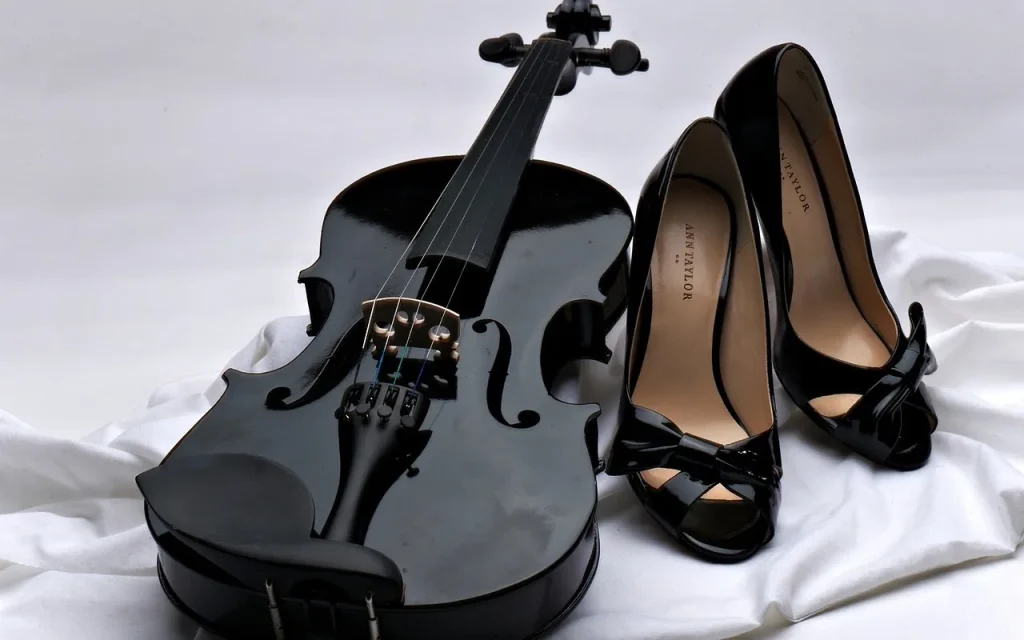
Among musical instruments, some stand out for their history and their spellbinding sound. Their evolution reflects centuries of tradition and innovation.
This article explores an often overlooked treasure: a many-sided chordophone. Its cultural role and technical features deserve close attention.
There are three major families: bowed, plucked, and struck strings. Each offers unique sound possibilities, shaped by its soundbox and playing technique.
From the Swedish nyckelharpa to modern structures such as the Cristal Baschet, these musical tools have never stopped diversifying. Their acoustic richness continues to captivate the entire world.
Introduction to the world of string instruments
For millennia, the vibrations of strings have fascinated listeners through their ability to create spellbinding melodies. These musical tools rely on a simple yet powerful acoustic principle: the transmission of sound through a soundbox.
Definition and basic principle
A string instrument produces sound through the vibration of its strings. That vibration can be created by bowing, plucking, or striking. The string material (metal, nylon, gut) directly influences the tone.
The music produced also depends on the shape and the wood used for the body. Spruce, for example, is favored for its lightness and resonance.
The diversity of string instruments
Three major categories stand out:
- Bowed: such as the violin or the Swedish nyckelharpa, fitted with keys.
- Plucked: including the Celtic harp, with its 32 to 38 strings.
- Struck: such as the piano, where hammers activate the strings.
Experimental creations, such as the Cristal Baschet (1950), push the limits with glass rods. Each culture has developed its own versions, from the Japanese koto to the flamenco guitar.
This variety bears witness to unrivaled sonic richness. Techniques evolve, but the essence remains the same: transforming a vibration into emotion.
Classification of string instruments
The world of musical instruments is divided into three main categories. Each has distinct sonic and technical characteristics.
Bowed models
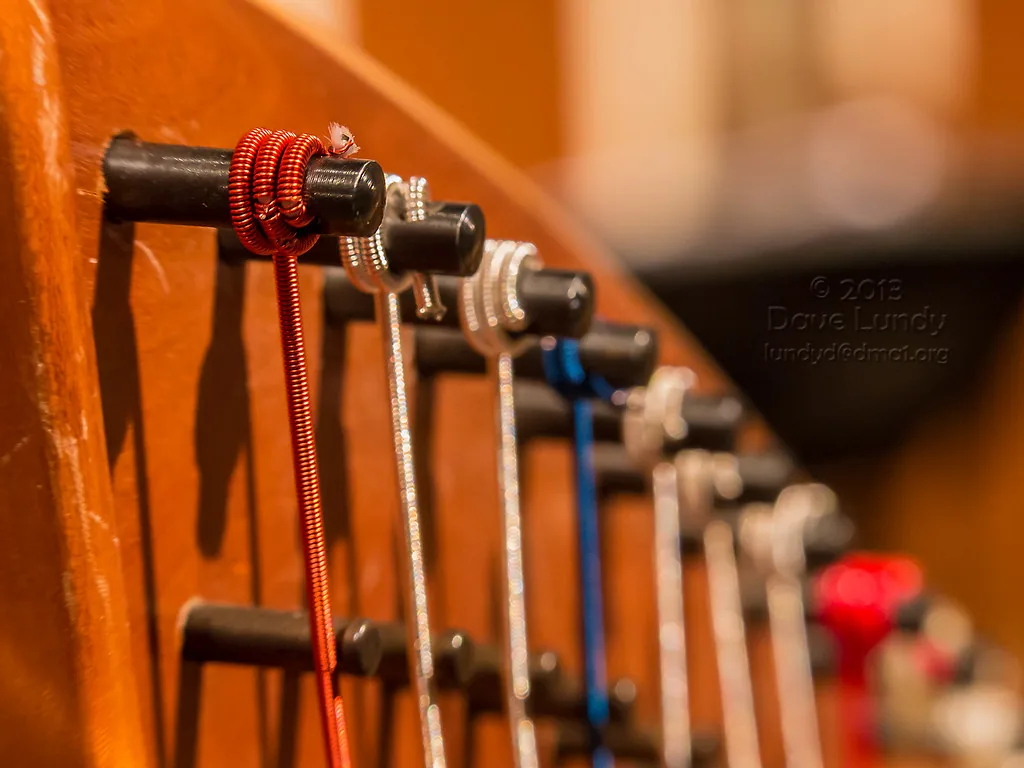
These tools use a bow to set the strings vibrating. The baryton, for example, requires precise historical reconstruction methods.
The Baroque violin shows the evolution of materials. Its modern electric version offers amplified possibilities.
Plucked versions
This family includes more than 20 different varieties. The Chapman Stick, created in 1970, combines plucking and percussion.
The Arab oud, ancestor of the lute, still influences today’s creations. Some hybrid models add extra strings to broaden their range.
Struck types
The piano remains the best known in this category. The Hungarian cimbalom perfectly illustrates local traditions.
Rare pieces such as the viola pomposa testify to the ingenuity of luthiers. Each creation reflects an era and a culture.
To learn more about these families, see instrument families.
History and evolution of string instruments
The musical adventure began several millennia ago. The earliest evidence dates back to the Sumerian period, with lyres from 2500 BCE. These creations mark the beginning of a rich history of innovation.
Ancient origins
Musical bows inspired the earliest Egyptian versions. Theban harps, represented in tombs, had between 5 and 7 strings. These rudimentary tools crossed the centuries and gradually became more refined.
In Mesopotamia, craftspeople used local materials. Wood and animal gut dominated. These choices directly influenced the sound.
Development in the Middle Ages
In the 12th century, troubadours popularized these tools. The medieval harp, diatonic in design, had 12 gut strings. It evolved toward more complex Gothic models.
| Period | Type | Number of strings |
|---|---|---|
| Medieval | Diatonic | 12 |
| Gothic | Chromatic | 21-28 |
The pedal version appeared in 1720. This technical advance made unprecedented modulations possible. To learn more, discover the detailed history of these developments.
Modern innovations
The 19th century brought the Industrial Revolution. Mass production made access more democratic. The 1930s saw the birth of the electric guitar.
- Use of carbon fiber
- Integration of MIDI technology
- 15% sales growth since 2010
Museums today maintain an ideal temperature of 20 °C to preserve these treasures. Each piece tells a fascinating study of the past.
Technical characteristics of string instruments
The magic of sound is born from the harmony between materials and ingenious mechanisms. These characteristics define their timbre and their capacity to move us.
Structure and composition
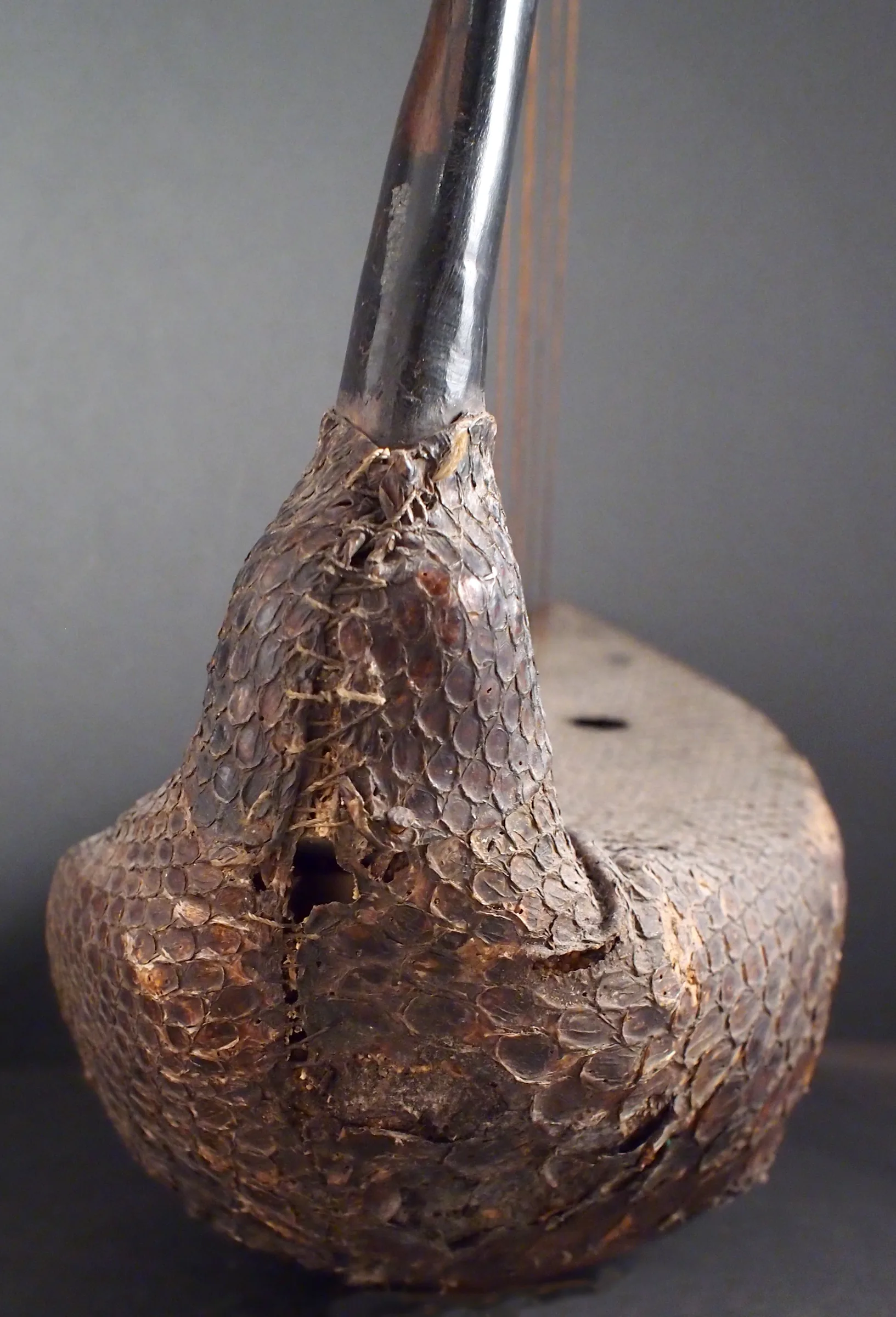
The spruce soundboard is crucial for high-end range violins. Its role? To amplify vibrations through the bridge and f-holes.
Two techniques coexist:
- Arched soundboards (European lutherie)
- Flat soundboards (Asian traditions)
Materials used
Strings have evolved with each era:
| Type | Period | Advantages |
|---|---|---|
| Natural gut | Baroque | Warm sound |
| Nylon | 20th century | Stability |
| Steel | Modern | Power |
Wood such as maple or ebony also influences durability.
Sound-production mechanisms
Double-action pedals (1810) revolutionized the possibilities. Average tension reaches 700 N for optimal clarity.
Recent innovations:
- Piezoelectric pickups
- Solid bodies for electric versions
The musician’s fingers turn these mechanics into pure emotion.
The harp: an extraordinary string instrument
No other musical tool combines so much poetry and technical sophistication in its elegant curves. Its evolution reflects human genius, from the earliest wooden versions to today’s electronic creations.
Origins and history
As early as 3000 BCE, the Egyptians associated it with deities. Theban models used plant fibers for their strings, producing a warm, enveloping sound.
In the Middle Ages, troubadours popularized it. Its medieval version had 12 to 15 gut strings. The following table summarizes the major developments:
| Era | Type | Innovation |
|---|---|---|
| Antiquity | Angular harp | 5-7 strings |
| Medieval | Diatonic | Oak frame |
| 1720 | Single-action pedals | Limited modulation |
| 1810 | Double action | Full chromaticism |
Sound architecture
The modern resonating body uses spruce for its lightness. The column supports up to 1,500 kg of tension, an engineering feat.
- 47 strings for concert versions
- 6 octaves of range (compared with 4 for a piano)
- Double-action pedals for accidentals
Professional musicians favor models priced between €15,000 and €40,000. These pieces offer optimal sound projection.
Technical revolutions
The 20th century introduced innovative materials:
- Carbon for lightweight structures
- MIDI pickups for electroacoustic performance
- Sustainable bamboo as an ecological alternative
Mozart’s Concerto for Flute and Harp remains a reference. It exploits the full harmonic richness of this fascinating instrument.
The role of string instruments in different musical genres
Melodic vibrations travel across eras and cultures. They adapt to musical styles, offering a wide range of artistic expression.
Classical music and orchestra
In the symphonic world, every element has its place. Classical music often uses these tools to create sonic contrasts.
The harp occupies a special position. It brings subtle nuances, as in Debussy’s works. Modern orchestras generally include one or two harps.
Traditional music from around the world
Folk music draws on ancestral heritage. The African kora, with its 21 strings, structures Mandinka narratives.
In India, the sitar left its mark on history. The Beatles popularized it in “Norwegian Wood,” blending tradition and modernity.
Contemporary music
Current creations push the limits. Artists blend Celtic harp and electronic sounds in innovative projects.
Statistics show a trend:
- 70% of rock bands use electric guitars
- 18% higher attendance for world music concerts
- 25% more perceived expressiveness for plucked strings
The Swedish nyckelharpa even finds a place in today’s pop. These developments prove the constant vitality of these musical tools.
Playing techniques specific to the harp
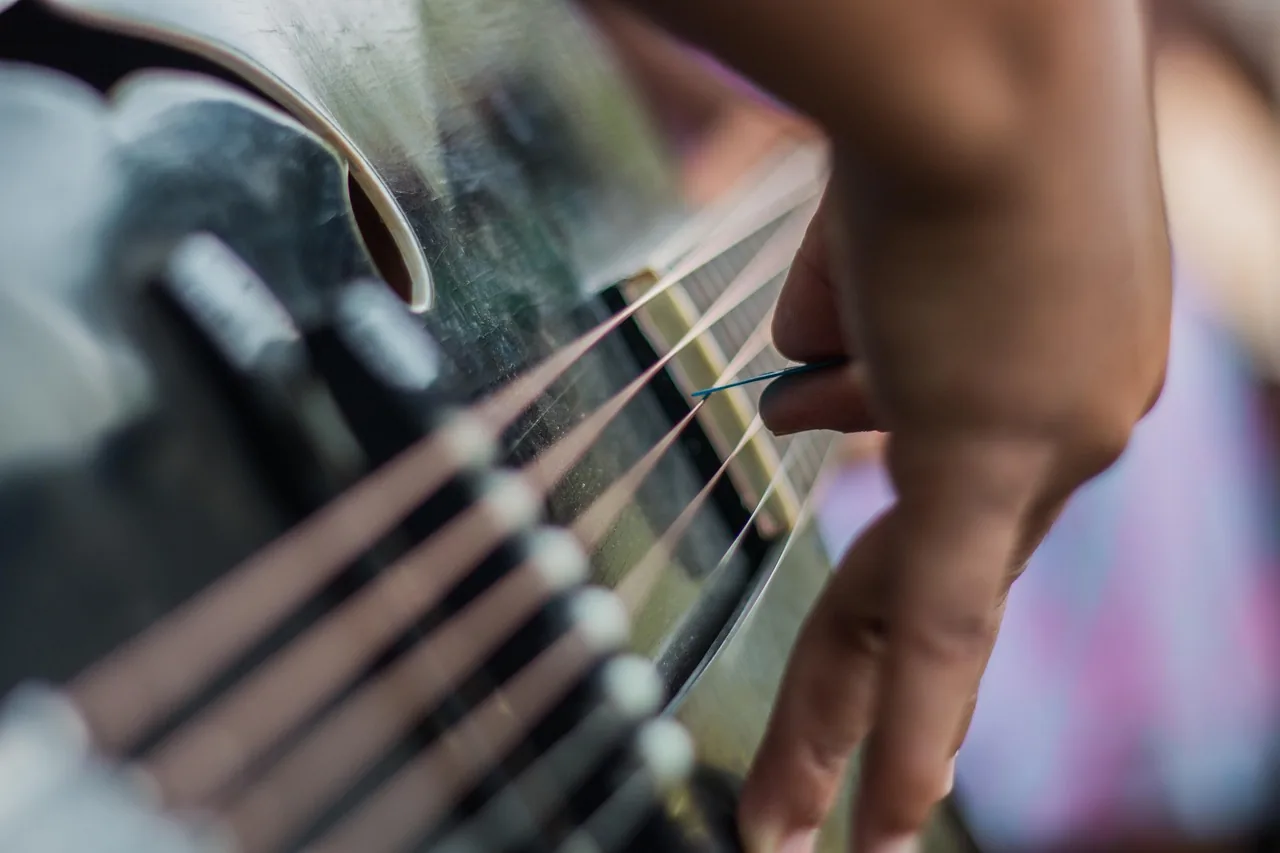
Mastering this musical tool requires a methodical and precise approach. The Paris Conservatoire standardized essential techniques to optimize learning.
Positioning and posture
Ergonomics plays a key role. A 30° angle between the body and the instrument allows extended use without fatigue.
Muscle stretching helps prevent musculoskeletal disorders. Beginners take about 6 months to find their natural balance.
Plucking techniques
The fingers work with surgical precision. Two approaches coexist:
- Natural nails for a crystalline sound
- Leather guards for greater warmth
Scales in thirds with alternating hands are a fundamental exercise.
| Method | Advantage | Required level |
|---|---|---|
| Natural harmonics | Ethereal sound | Intermediate |
| Artificial harmonics | Greater precision | Advanced |
| Glissandi | Dramatic effect | All levels |
Using the pedals
The double-action system has 7 pedals with 3 positions each. It takes at least 3 years to master them fully.
Left-hand/right-hand sequences allow rapid modulations. Electronic versions now automate certain settings.
This capacity to alter notes in real time remains unique among musical tools.
Iconic string instruments around the world
From Asia to the Americas, every culture has shaped its own musical treasures. These creations reflect ancestral know-how and unique sonic identities.
The guitar and its variants
The modern guitar descends from the Arab lute. Its classical version uses nylon strings for a warm sound.
Among rare hybrids:
- The harp guitar with sympathetic strings (adding 12 vibrating strings)
- The electric model with a metal resonator
The Musée de la musique preserves a 19th-century lyre guitar. Its carved maple neck testifies to the luxury of the era.
The violin and its family
The Stroh violin revolutionized acoustics with its brass horn. Designed in 1900, it naturally amplifies the sound.
The family includes:
- The viola for middle registers
- The cello, valued for its depth
A rare technique consists of playing the baritone guitar with a bow. This creates surprising harmonics.
Lesser-known traditional instruments
The Mongolian morin khuur has the nickname “horsehead fiddle.” Its two horsehair strings produce a haunting sound.
Other gems:
- The Vietnamese đàn bầu (a monochord with amplified resonance)
- The Finnish kantele (5 to 40 plucked strings)
The Afghan harp-lute, dating from the 14th century, combines two techniques. As a hybrid instrument, it blends melodies and accompaniment.
Care and conservation of string instruments
Preserving the sonic beauty of chordophones requires meticulous care. Proper conservation extends their lifespan and maintains their acoustic qualities.
Daily precautions
Regular cleaning prevents residue buildup. For natural gut strings, a slightly damp microfiber cloth is enough.
Ideal conditions:
- Stable temperature between 18 and 22 °C
- Relative humidity of 45 to 55%
- Kept away from heat sources
Solid wood soundboards are vulnerable to thermal shock. An antifungal treatment prevents mold on bridges.
Restoration of old pieces
Reconstructing a historical baryton requires an in-depth study. 3D scanners make it possible to reproduce fragile elements without altering them.
Average costs:
| Type of intervention | Average price |
|---|---|
| Repairing a cracked soundboard | €1,200 |
| Replacing a bridge | €450 |
| Full restoration | €2,500-3,000 |
Tomography reveals the internal condition without dismantling. This method preserves the original materials.
Museum protocols
The Musical Instruments Museum in Brussels applies strict standards. Display cases maintain a controlled microclimate.
Key points:
- Low-UV lighting
- Rotation of displayed pieces
- 65% of damage comes from humidity variations
These methods inspire private collectors. They guarantee the transmission of this heritage to future generations.
Conclusion: the harp, jewel of string instruments
Between tradition and modernity, a musical treasure continues to captivate. Its unique characteristics, from gut strings to double-action pedals, make it a jewel of heritage. With 17 centuries of history, it embodies the balance between technical sophistication and poetry.
AI is now revolutionizing composition, but artisanal know-how remains irreplaceable. Breton masterclasses prove that this art is still alive. Urban musicians are also integrating it, creating unprecedented fusions.
Explore other lesser-known gems: every culture hides sonic treasures. This heritage still vibrates, ready to be rediscovered.