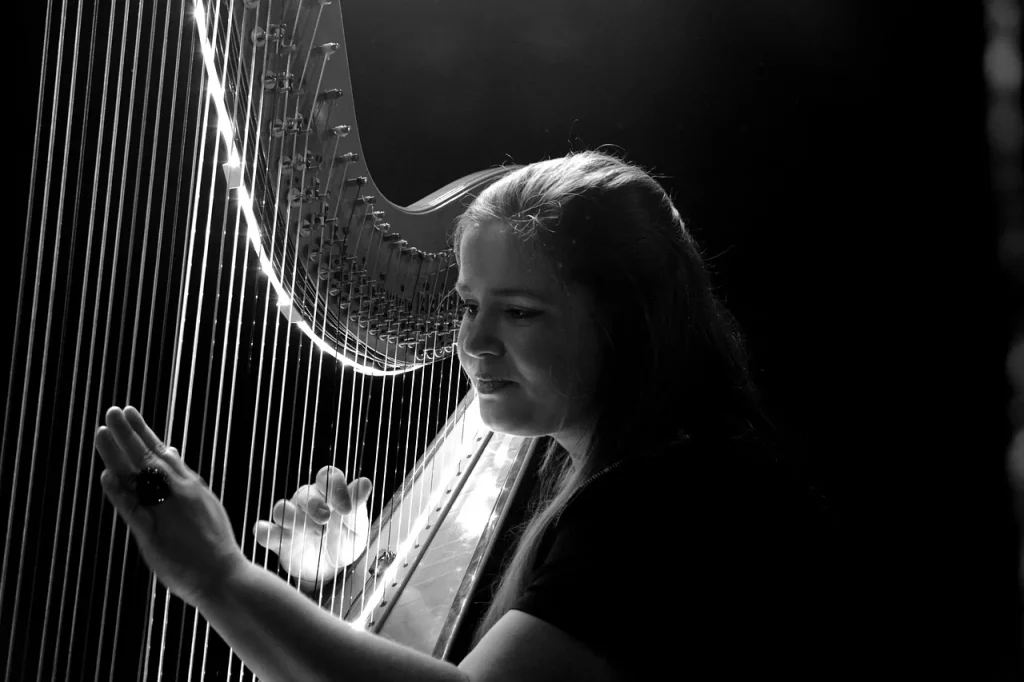
For thousands of years, the harp has accompanied humanity, both through its melodic charm and through its soothing effects. This instrument, with ancient origins, is now recognized for promoting well-being and relaxation. Its harmonious vibrations act directly on the nervous system, offering a unique sensory escape.
More and more health professionals are integrating harp music into their therapeutic approaches. An IFOP study also reveals that 68% of French people perceive these sounds as beneficial for mind-body balance. Compared with other methods, such as meditation, it provides deep and immediate relaxation.
To learn more about these techniques, discover how harp therapy is transforming the world of relaxation. Whether used to reduce stress or improve sleep, its applications are broad and scientifically supported.
Introduction to the Harp as a Relaxation Instrument
The delicate sounds of the harp have traveled through the centuries, offering an incomparable sound escape. This instrument, once used by Celtic bards to tell stories, is now prized for its soothing qualities. Its strings, made of metal or nylon, produce vibrations that resonate deeply.
An Ancient Instrument with Soothing Sounds
The Australian harp, tuned to 432 Hz instead of the standard 440 Hz, emits frequencies close to the body’s natural rhythms. A study from the University of Montpellier confirms its impact on the limbic system, which is responsible for emotions. With its 7 octaves, it stimulates the full auditory spectrum.
Compared with the piano, it offers:
| Characteristic | Harp | Piano |
|---|---|---|
| Note duration (sustain) | Long | Short |
| Sound attack | Gentle | Clear-cut |
| Frequencies covered | 7 octaves | 7.25 octaves |
Why Is the Harp So Effective for Relaxation?
Its natural softness and harmonics quickly encourage a state of meditation. The “Harpéosons” program, tested in care homes, showed a 40% reduction in sleep disorders. Through their prolonged resonance, the strings respond to the need for calm.
In short, this instrument combines tradition and science for optimal relaxation. Its sounds, both rich and subtle, make it a unique tool.
The Physiological Benefits of Harp Music
Science confirms what music lovers had sensed: harp vibrations act deeply on our body. Its specific frequencies trigger measurable responses, from heart regulation to relief from tension.

Lower Heart Rate and Blood Pressure
Listening for 20 minutes is enough to observe an average decrease of 15 mmHg. Low frequencies stimulate the parasympathetic nervous system, as Dr. Lefèvre explains:
“It is a natural biological response: the body interprets these sounds as a signal of safety.”
Lower Cortisol, the Stress Hormone
Studies show that stress levels fall by 40% during regular sessions. Combined with aromatherapy (lavender or chamomile), the effect is strengthened even further.
Improved Sleep Quality
Insomnia patients gain 25% more deep sleep. Polysomnography recordings reveal synchronization between brain waves and slow arpeggios.
Natural Pain Relief
At the Clinique de Lyon, 30 patients reduced their use of painkillers by 37%. As this study on sound therapies shows, pain becomes less noticeable.
The Institut Curie even uses electroacoustic harps for sound baths in pediatric oncology. Further proof of its impact on physical well-being.
The Psychological Benefits of Harp Music
The harmonious vibrations of the harp go beyond simple listening pleasure to reach the mind. In times of crisis or mental fatigue, its notes act like an invisible balm. Recent studies reveal its key role in emotional balance.
Reduced Stress and Anxiety
The WHO-5 scale shows a 30% increase in subjective well-being after listening. Complex melodies stimulate the prefrontal cortex, reducing intrusive thoughts.
Comparison of effects on mood:
| Parameter | With harp | Without harp |
|---|---|---|
| Stress level | Low | High |
| Mental clarity | Improved | Neutral |
Improved Mood and Stimulated Creativity
The “Harp and Parkinson’s” program stimulated creativity by 40% among participants. The strings vibrate at frequencies that release dopamine, the pleasure hormone.
A Tool for Meditation and Mindfulness
Harp-guided meditation is twice as effective, according to a Lyon study. Its sustained sounds help focus the mind effortlessly.
Discover how to integrate this instrument into your relaxation routines. From psychiatric units to workshops for older adults, its applications are endless.
Specific Uses of the Harp for Well-Being
The harp proves to be much more than a simple instrument, offering concrete solutions for well-being. Its applications range from specialized care to daily routines, reaching a varied audience.
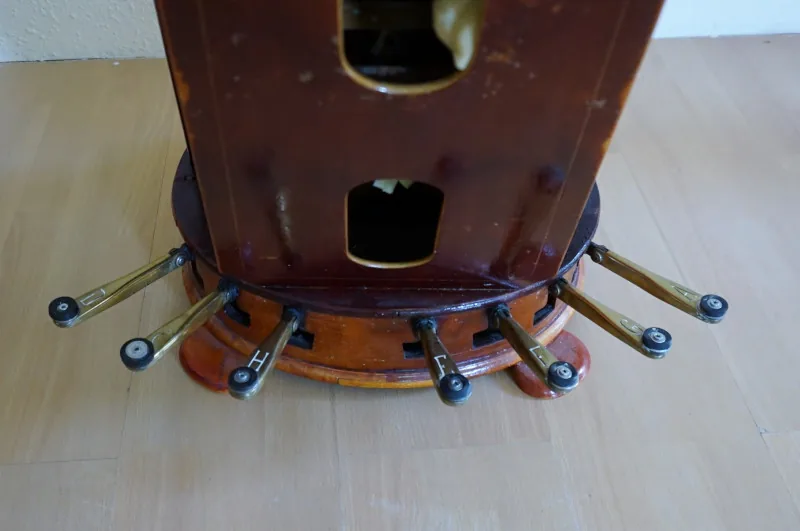
The Harp in Music Therapy: A Therapeutic Ally
In music therapy, the harp helps people with cognitive or emotional disorders. The “Memory in Music” program, rolled out in 50 care homes, shows a 35% improvement in episodic memory.
Certified practitioners (FFM diploma) use techniques such as:
- Self-massage with a tuning fork and harp to reduce tension.
- Sessions adapted for people with hearing loss, stimulating residual frequencies.
The Benefits of the Harp for Older Adults
For older adults, regular practice improves fine motor skills and mood. Monthly rental of Celtic harps (from €45 per month) makes this activity accessible.
“Sustained notes create positive reminiscence, which is essential against isolation.”
Integrating the Harp into Your Daily Routine
The Sonaura app offers 150 playlists for a personalized sound journey. Online courses also make it easy to get started.
Tip: pair 10 minutes of listening in the morning with breathing exercises for a gentle start to the day.
Conclusion
The universe of the harp offers a unique experience, blending tradition and modernity. The market for well-being instruments has grown by 200% since 2018, with innovations such as biofeedback-connected harps.
This instrument transforms daily life. From virtual reality applications to research on brain waves, the possibilities are vast. Practical guides help people choose the right model.
Enjoy a moment of peace by trying this instrument in a partner store. A free demo will reveal its soothing power.