Choosing a professional instrument such as a concert harp requires special care. This high-end model is designed for demanding musicians and offers impeccable acoustic quality.
Technical criteria play a crucial role in the selection process. Sound, string stability, and ease of playing are decisive factors for classical artists.
Budget remains an important factor. Prices vary considerably, ranging from €4,200 to €89,000 depending on the materials and brand. Finding the right balance between performance and cost is essential.
This guide will help you understand the specific features of these instruments. You will then be able to make an informed choice based on your needs and means.
Introduction to the concert harp
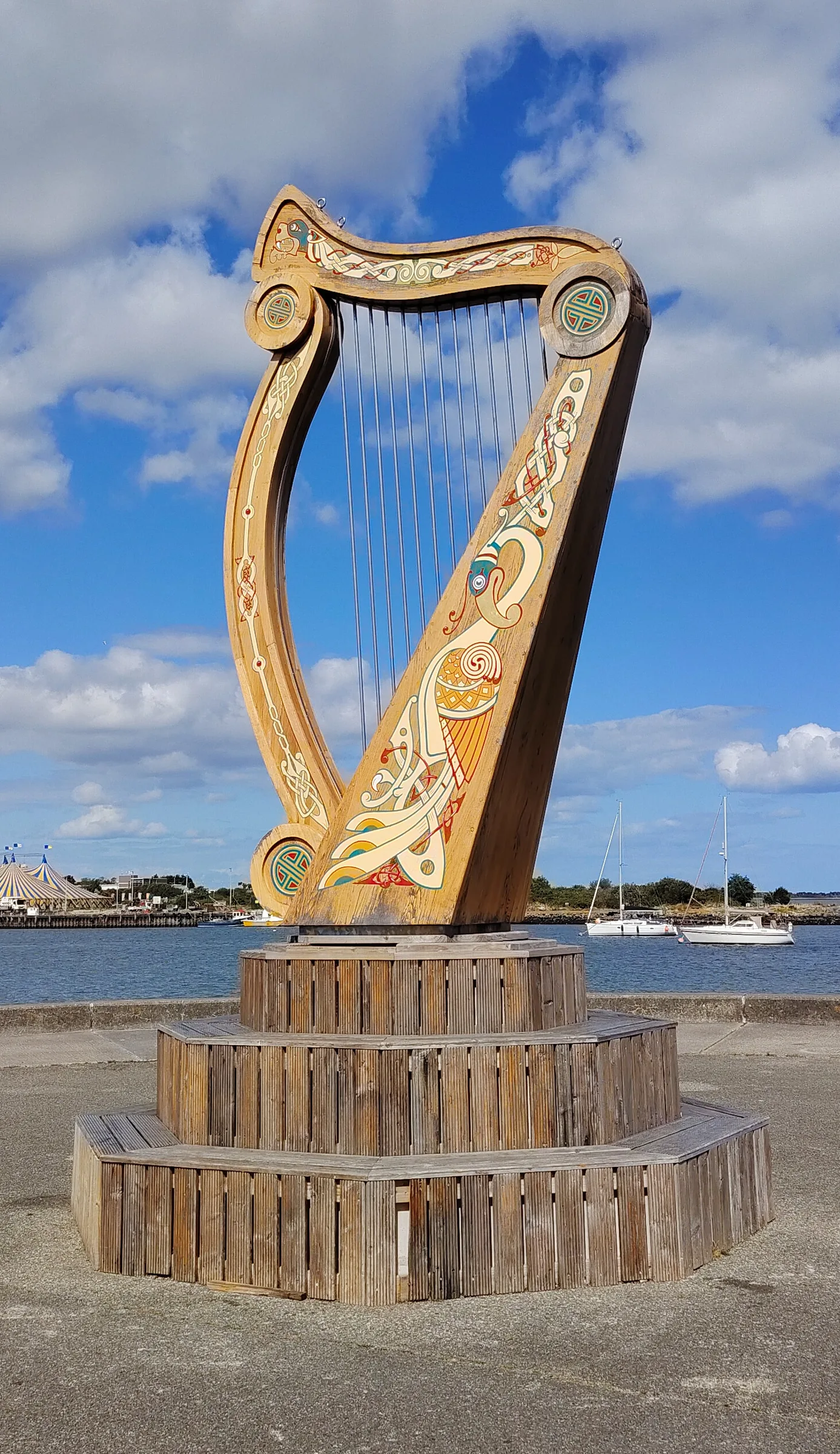
Medieval harps have given way to sophisticated models, such as those used in concert. This instrument, once simple, is now equipped with complex mechanisms for optimal musical precision.
There are two main styles: Celtic harps, which are light and portable, and pedal harps, intended for professionals. The latter offer a complete chromatic range, essential for classical works.
Their distinctive feature? Seven double-action pedals. Each one changes the pitch of the notes through an ingenious system patented in the nineteenth century.
“This revolutionary mechanism redefined the instrument’s possibilities.”
In symphony orchestras, these harps hold a central place. Their rich sound and versatility make them a pillar of the concert repertoire, from concertos to solo pieces.
France excels in their manufacture, with brands such as Camac and Salvi. These makers combine tradition and innovation, creating instruments with a unique style sought after around the world.
The technical features of a concert harp
The sound quality of a harp depends above all on its technical components. Professionals look for fine materials and precise mechanisms to achieve optimal performance.
The soundboard and materials
Spruce or cedar is often used for the soundboard. These woods offer exceptional resonance. Some models include maple veneers to increase durability.
The number of strings and their composition
Gut or nylon strings are common for the treble range, while the bass uses wound metal strings. A standard model has 47 strings, covering 6 octaves.
Weight and height
Weight varies according to use. A Mélusine Concert weighs 14 kg and stands 137 cm high, making it ideal for students. The Salvi Daphne, at 39.5 kg and 185 cm, is aimed at professionals.
Height must match the musician’s body shape. Suitable trolleys make heavy instruments easier to transport.
Luthiers are innovating with carbon structures to make the manufacture lighter without compromising the sound.
The best concert harp brands
Among string-instrument makers, certain brands stand out for their excellence. Salvi and Camac lead the way, combining tradition and innovation.
Founded in 1955, Salvi is an Italian benchmark with a factory in France. Its Daphne 47EX model is prized for its deep sound, ideal for symphony orchestras.
Camac, founded in 1972, embodies French expertise. The Mélusine Concert, light and versatile, suits musicians on the move.
| Brand | Specialization | Pedal system |
|---|---|---|
| Salvi | Large orchestral harps | Patented double-action pedals |
| Camac | Hybrid models | Ergonomic mechanism for fast playing |
Pedals are a key criterion. Salvi uses a historic system, while Camac focuses on ergonomics. Both guarantee millimeter-level precision.
Local manufacture is a priority for these brands. Salvi assembles in France, and Camac incorporates European materials. This is a mark of quality and traceability.
Concert harp: our selection by price
Investing in a quality instrument means knowing the different ranges available. Here is a detailed analysis of the models, classified by price bracket.
Entry level: €4,200 to €25,000
These models are suitable for students or musicians in transition. Wound metal strings provide good durability. The finishes are often maple or walnut.
Example: the Camac Étoile, starting at €4,200. Ideal for the first years of practice.
Mid-range: €25,000 to €50,000
Designed for semi-professionals, these instruments offer better resonance. Materials include solid ebony for certain parts.
The Salvi Aurora model, at €38,000, offers double-action pedals and a spruce soundboard.
High-end: €50,000 and above
Reserved for concert performers, these harps combine luxurious finishes with precise mechanisms. Salvi’s premium model reaches €89,000 with precious metal inlays.
The Camac with gold inlays, priced at €71,000, requires 12 to 18 months of custom manufacture.
| Range | Price | Features |
|---|---|---|
| Entry level | €4,200 – €25,000 | Metal strings, standard wood finishes |
| Mid-range | €25,000 – €50,000 | Solid ebony, reinforced mechanisms |
| High-end | €50,000+ | Gold, exotic materials, artisanal manufacture |
Some manufacturers offer exchange programs for professionals. This is an attractive option for upgrading an instrument without a large initial extra cost.
Essential accessories
To optimize your instrument’s performance, accessories play a key role. They protect it, improve its sound, and simplify maintenance.
Protective covers
A suitable cover protects against knocks and climate variations. Padded models, such as those from Salvi, offer optimal insulation.
Choose breathable materials to avoid moisture. Some covers include pockets for storing tuning tools.
Tuning tools
Regular tuning keeps the notes accurate. The Salvi kit with a torque-control key ensures precise tension without damaging the tuning pins.
The Peterson StroboPlusHD electronic tuner is ideal for professionals. Its precision to the hundredth of a semitone makes adjustments easier.
Tip: use dedicated mobile apps to check frequency. Weekly tuning is recommended for instruments played frequently.
Buying guide: how to choose your concert harp
Selecting a harp suited to your level and needs is a crucial step. Expectations differ depending on musical experience and intended use.
Criteria for beginners and professionals
For your first steps, prioritize lightness and sturdiness. A weight below 20 kg makes transport easier. Simplified mechanisms reduce maintenance.
Concert performers will require a solid spruce soundboard. Pedal precision becomes a priority for complex works. Certain options, such as adjustable bridges, are indispensable.
The importance of finishes and options
Hand-carved decoration increases heritage value. A personalized motif can reflect your musical style. Prefer stable woods such as ebony for the keys.
Brass plating offers a traditional look, while steel ensures greater durability. Stage options, such as built-in LED lighting, appeal to soloists who perform in large halls.
“A harp is much more than an instrument: it is an extension of the musician.”
Accessory packs, with a temperature-regulating cover and ergonomic stand, ideally complete the purchase. These elements affect day-to-day comfort of use.
Care and maintenance
Taking care of your instrument extends its lifespan and guarantees optimal sound. Regular maintenance prevents mechanical problems and preserves string quality.
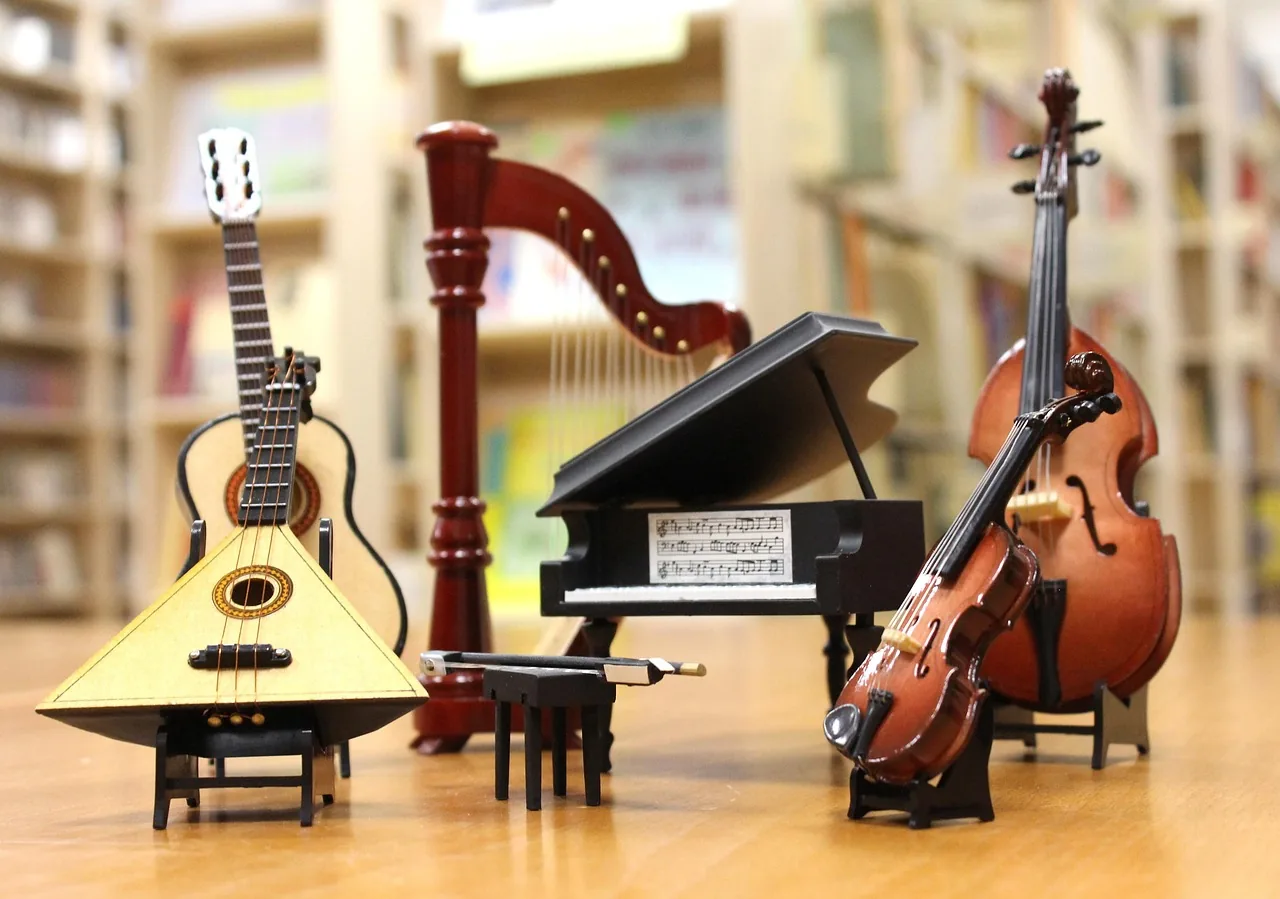
Manufacturers such as Salvi recommend checking the pedals every six months. This protocol includes checking the springs and levers to ensure smooth operation.
Gut strings require special attention. Gentle cleaning with a microfiber cloth removes dust without damaging the natural fibers.
Here is a typical maintenance schedule:
- Weekly: tuning and dusting
- Monthly: checking pedals and tuning pins
- Every six months: complete service by a luthier
Annual servicing costs between €150 and €400 depending on the instrument’s condition. This budget often includes replacing worn strings.
| Type of service | Frequency | Average cost |
|---|---|---|
| Professional tuning | 1-2 times/year | €80-120 |
| Mechanical service | Every 2 years | €250-400 |
| String replacement | Depending on use | €200-600 |
Specific insurance covers professional instruments. It protects against theft, accidents, and damage during transport.
For storage, use a suitable cover made of breathable fabric. Avoid damp places or areas exposed to sudden temperature changes.
“A well-maintained instrument preserves its value and musical soul for decades.”
Musicians who travel frequently should invest in a hard case. Some models include hygrometers to monitor humidity levels.
Where to buy a concert harp in France?
Finding the right point of sale is essential when buying a quality instrument. In France, musicians have several options depending on their needs and budget.
The showrooms of major brands let you try the models. Camac has spaces in Paris and Lyon, ideal for testing different ranges. Salvi offers demonstrations through its authorized distributor in Nice.
Here are the advantages of buying directly from a luthier:
- Personalized trial with expert advice
- Extended warranty and after-sales service
- Possibility of custom ordering
For high-end models, L’Instrumentarium in Paris is Salvi’s exclusive distributor. Their site also offers detailed technical sheets.
Approved restoration workshops are an alternative for tighter budgets. They guarantee serviced instruments with original parts. Some even offer trial periods.
Comparison of purchase options:
| Method | Advantages | Disadvantages |
|---|---|---|
| Direct import | Competitive prices | Customs fees and long lead times |
| Local dealers | Fast delivery and in-person trial | Higher margins |
Tip: check manufacturers’ sites to find official points of sale near you. Some organize open days with seasonal promotions.
Conclusion
To conclude, here are the essential points to remember before investing. Fine materials and precise mechanisms define the quality of a harp for concert. Prioritize brands recognized for their artisanal expertise.
The market is seeing growing demand for lightweight carbon models. These innovations preserve a rich sound while making transport easier.
When buying used, check the condition of the pedals and soundboard. An attractive price should include at least a one-year warranty. Compare several offers to make an informed choice.