
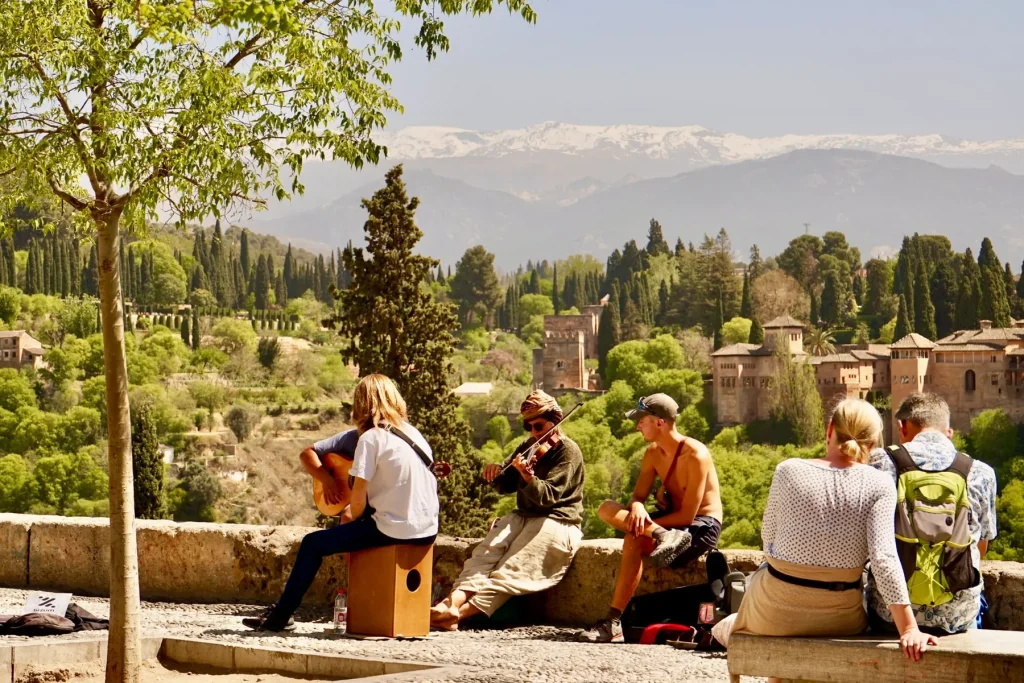
Medieval Arab-Andalusian music is a musical art that acts as a bridge between different cultures. It maintains a strong connection with space and time, geography and history, and for more than a millennium it has had a profound influence on generations. This musical genre is associated with nostalgia, evoking the distress and pain of an exiled people while carrying within it the memory of harmonious coexistence in Muslim Andalusia.
Al-Andalus, or Muslim Andalusia, was a specific geographical territory located in southwestern Spain, with key provinces such as Seville, Cordoba, Granada, and others. The collapse of the Visigothic kingdom in the eighth century paved the way for the Muslim conquest of 711, which found an Iberian society fragmented and torn by internal tensions. Al-Andalus marked the history of Spain, with an Arab Muslim presence that lasted until the fall of Granada in 1492, leaving a significant cultural and historical imprint.
Medieval Arab-Andalusian music represents a precious cultural heritage, a musical art that blends Arab and Andalusian musical traditions. It is an artistic heritage that bears witness to the harmony of the cultures that coexisted in the Andalusian region. It embodies a fusion of styles and draws on the cultural influences of different eras. This medieval music is a symbol of the importance of preserving musical traditions and passing this heritage on to future generations.
To learn more about medieval Arab-Andalusian music and its cultural importance, read this fascinating article.
The Importance of Arab-Andalusian Music in History
Arab-Andalusian music holds an essential place in musical history. Its origins go back to medieval Andalusia, where it emerged from the fusion of Arab music and the Andalusian tradition. This symbiosis gave rise to a unique musical style, which evolved over time.
During the Andalusian period, Arab-Andalusian music flourished and developed under the influence of diverse cultures. It served as a link between the Arab world and medieval Europe, since it was adopted by European musicians of the time. This music therefore had a profound influence on the evolution of Andalusian music.
The influence of Arab-Andalusian music spread far beyond Andalusia. It left its mark on the music of the Maghreb, the Mashriq, and even certain European countries. This spread testifies to the importance and popularity of this music through the ages.
“Arab-Andalusian music is a true cultural treasure that attests to the interaction between different civilizations and to the evolution of music over the centuries.”
This music also gave rise to other musical genres, such as flamenco in Spain. Flamenco drew inspiration from Arab-Andalusian music and developed its own cultural identity.
The Evolution of Andalusian Music
Over the centuries, Andalusian music has undergone transformations and adaptations while preserving its fundamental essence. New influences were added to Arab-Andalusian music, creating even greater richness and diversity.
Arab-Andalusian music has found its place in contemporary society thanks to its unique musical heritage. Music festivals and concerts devoted to this genre celebrate its important role in history and its influence on modern music.
In conclusion, Arab-Andalusian music is a living testimony to the history and cultural diversity of the Andalusian region. Its importance lies in its ability to unite different cultures through music and to perpetuate its precious musical heritage.
The Characteristics of Medieval Arab-Andalusian Music
Medieval Arab-Andalusian music stands out for its unique characteristics, which testify to its rich musical heritage. This musical art form uses a variety of medieval musical instruments to create spellbinding and captivating melodies. These instruments include veuzes and traditional drums, which give this music its distinctive sound.
The Arab-Andalusian musical style is also a key element of this musical tradition. It incorporates elements of the Andalusian tradition present in the region of Andalusia during the Middle Ages. This style is characterized by the abundant use of liturgical chants and Arabic poetry, which add a spiritual and emotional dimension to the music.
Liturgical chants are essential elements of medieval Arab-Andalusian music. They are often based on religious texts and sung in a variety of Arabic languages. These chants are often performed by talented singers, such as Françoise Atlan, who has taken part in many concerts showcasing Arab-Andalusian music.
Arabic poetry also plays an important role in this music. Song lyrics are often drawn from classical Arabic poems, set to music to create a complete artistic experience. Arabic poetry has a long tradition in Arab-Andalusian culture, and it continues to influence musical creation within this tradition.
This musical heritage is a precious legacy that has been preserved and passed down from generation to generation. The musicians and performers of this music see themselves as the guardians of this heritage and strive to transmit it to future generations. Thanks to their dedication and passion for Arab-Andalusian music, this heritage continues to flourish and thrive.
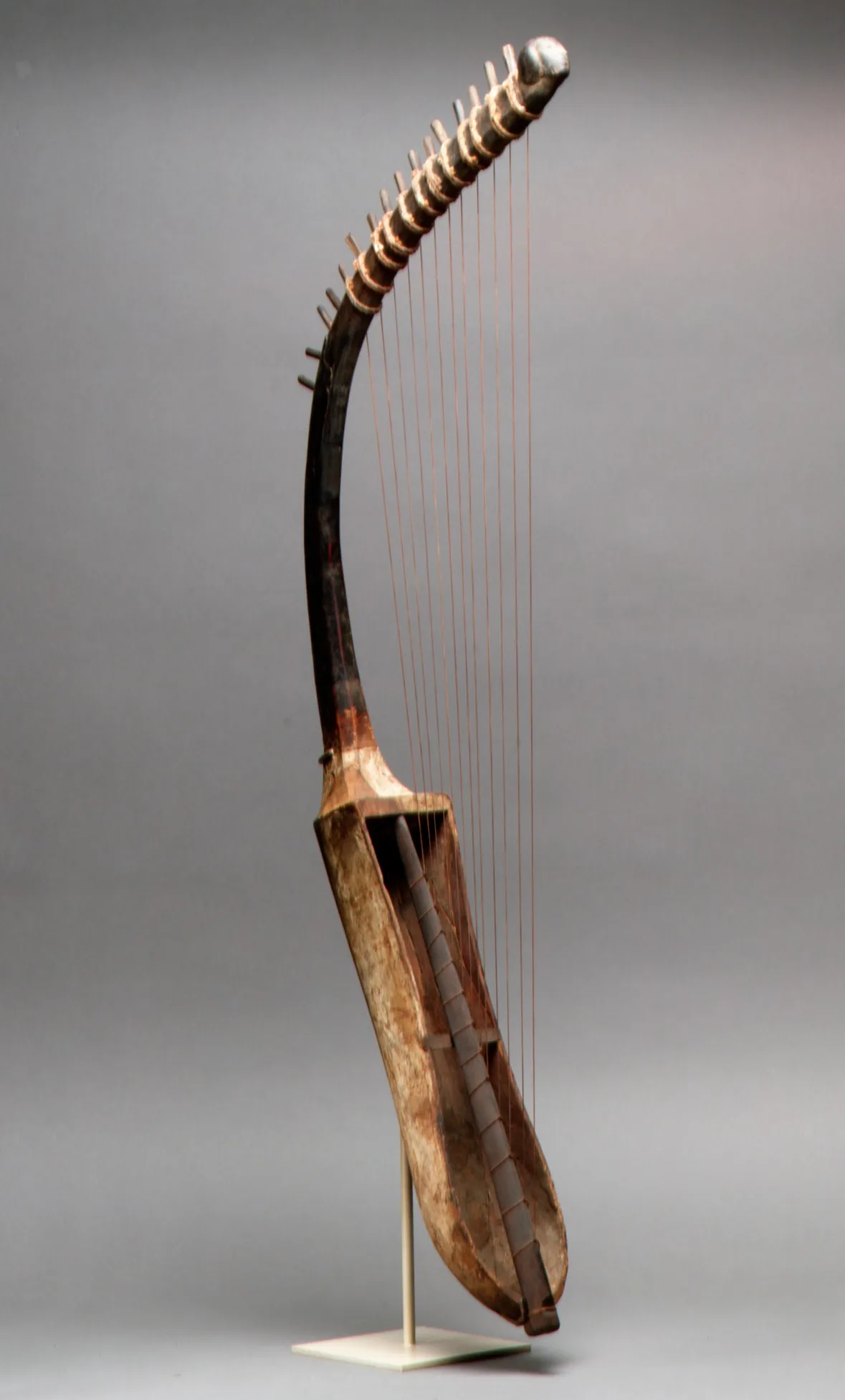
In summary, medieval Arab-Andalusian music stands out for its unique characteristics, its use of medieval instruments, its Andalusian musical style, its liturgical chants, and its Arabic poetry. This musical heritage represents a link between different cultures and a testimony to the history and artistic richness of the Andalusian region.
The Influence of Arab-Andalusian Music in the Contemporary World
Medieval Arab-Andalusian music has played a major role in the contemporary world, inspiring many forms of world music and contributing to the fusion of cultures. Its musical legacy has endured over the centuries and has found an important place on the modern music scene.
Medieval Arab-Andalusian music has transcended cultural borders, creating a bridge between different musical traditions and fostering a true fusion of cultures.
Today, modern interpretations of Arab-Andalusian music are commonly found at world music festivals around the globe. These festivals provide a platform for artists who wish to explore the richness of this musical style and blend it with other genres.
Modern Arab-Andalusian music has managed to integrate contemporary elements while preserving its musical heritage. It incorporates traditional instruments and authentic melodies while exploring new sounds and experimenting with contemporary musical styles.
This music continues to influence many artists around the world, who draw inspiration from its beauty and depth. It is a living testimony to the importance of cultural diversity and to the impact of exchanges between different cultures.
Influence in Music Festivals
Music festivals have played a key role in spreading modern Arab-Andalusian music. They offer a stage where artists can present their unique interpretations of this musical style and captivate audiences with their talent.
| Festival | Location |
|---|---|
| Fes Festival of World Sacred Music | Fes, Morocco |
| Festival de la Médina | Tunis, Tunisia |
| Mawazine – Rhythms of the World | Rabat, Morocco |
Many famous music festivals include performances of modern Arab-Andalusian music in their programs, allowing artists to share their passion with a broad audience. These festivals are an opportunity to celebrate cultural diversity and promote appreciation for different musical traditions around the world.
Thus, medieval Arab-Andalusian music continues to shine in the contemporary world, with its influence felt in many music festivals and in the creativity of the artists who draw inspiration from it.
Preserving the Arab-Andalusian Musical Heritage
To ensure the preservation of the rich Arab-Andalusian musical heritage, it is essential to pass musical traditions on to future generations. The craftspeople of music play a key role in this transmission, ensuring that knowledge and techniques are passed on with care.
Music education is also an essential element of this preservation. By teaching young people a love of music, we give them the opportunity to discover and appreciate this unique cultural heritage. Music education allows them to develop their artistic sensitivity and, in turn, become ambassadors for this tradition.
Music festivals, such as the Festival Andalou in Avignon and Spanish Week, also play an important role in preserving this musical heritage. These events provide a platform for artists and bring Arab-Andalusian music to a wide audience. They help raise awareness of this art form and highlight the importance of preserving it.
By working hand in hand, the craftspeople of music, music education, and music festivals can preserve this precious cultural heritage for generations to come. Their dedication and passion ensure that Arab-Andalusian music will continue to resonate and enchant audiences around the world.
“Arab-Andalusian music is a true cultural treasure that must be preserved and passed on to future generations. It embodies the beauty and richness of Arab and Andalusian musical traditions, and reminds us of the importance of love for music and of heritage preservation.” – Luis de la Carrasca
Institutions and Organizations Supporting the Preservation of Arab-Andalusian Music
| Entities | Support |
|---|---|
| Autonomous Andalusian Government | Funding and promotion |
| DRAC Provence-Alpes-Côte d’Azur | Financial and logistical support |
| Région Sud Provence-Alpes-Côte d’Azur | Grants and logistical support |
| Vaucluse Departmental Council | Grants and logistical support |
| Grand Avignon | Partnership and logistical support |
| City of Avignon | Financial and logistical support |

Medieval Arab-Andalusian Music: a Precious Cultural Heritage
Medieval Arab-Andalusian music is far more than a musical art. It represents a true cultural heritage, a bridge between cultures that coexisted in the region of Al-Andalus. Its unique musical traditions testify to the importance of preserving and transmitting this precious heritage to future generations.
The cultural importance of medieval Arab-Andalusian music cannot be underestimated. It embodies the rich musical traditions of medieval Andalusia, where Arab and Andalusian influences intertwined to create a unique musical style. This musical heritage is reflected in the fusion of styles and in the harmony of the cultures that flourished in the region.
The preservation of the Arab-Andalusian musical heritage is essential to ensure that these musical traditions are not forgotten. Through the transmission of these traditions by the craftspeople of music and through music education, this heritage continues to be celebrated and appreciated by musicians and enthusiasts around the world. Medieval Arab-Andalusian music is a vibrant reminder of the importance of cultural diversity and of the influence of different cultures on the development of musical art.