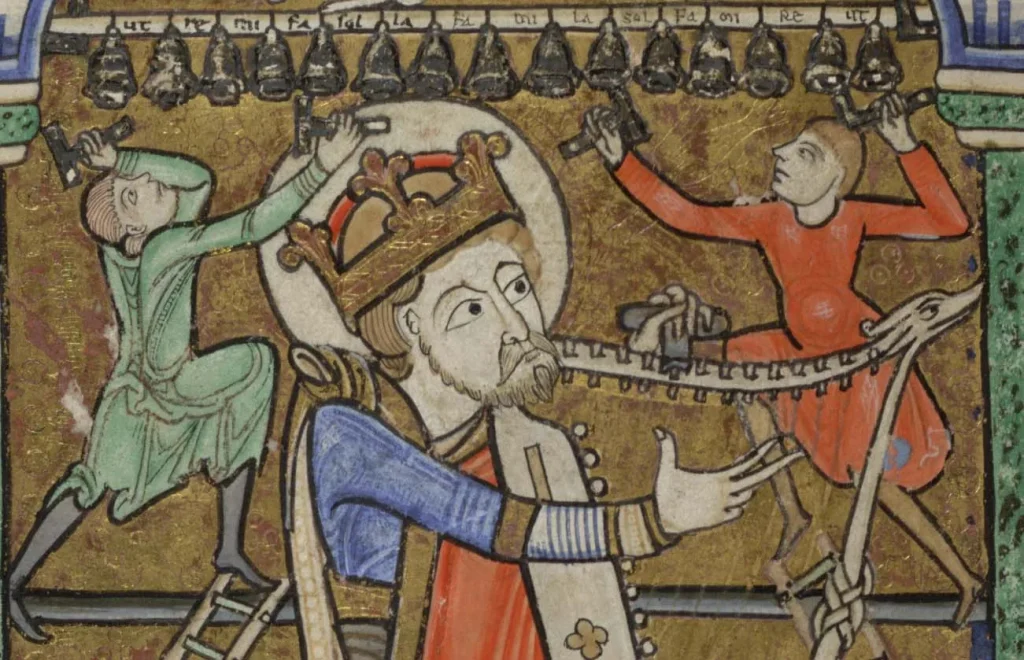
Epic medieval music is a unique musical genre rooted in the glorious past of the Middle Ages. It is defined by compositions specifically created to evoke the spirit of battles and knightly epics that marked this fascinating era. War songs and epic chants were played and sung during ceremonies, celebrations, and theatrical performances, offering a captivating experience to a varied audience, from common people to the nobility.
Medieval compositions were often accompanied by instruments such as the vielle, the harp, or the bagpipe, which added a visceral and powerful dimension to epic narratives. Battle music was rhythmic and percussive, creating an immersive atmosphere that brought battlefield clashes back to life. Knightly music was imbued with nobility and grandeur, highlighting chivalric values and the deeds of medieval heroes.
An emblematic example of this musical genre is the Song of Roland, an 11th-century epic poem sometimes attributed to Turold. This masterpiece of medieval literature contains more than 4,000 lines in its oldest version and recounts the adventures and exploits of the knight Roland. The composition of the Song of Roland is surrounded by mystery and speculation, with some historians suggesting collaboration between monks and jongleurs as well as traditional influences.
Epic medieval music has shaped the collective imagination and endured through the centuries. It has inspired many contemporary composers, especially in film soundtracks and television series, where medieval sounds and musical motifs are used to portray scenes of action, battle, or adventure in an epic way. The legacy of epic medieval music continues to fascinate and enchant 21st-century listeners, bearing witness to its lasting impact on music history.
Learn more about the Song of Roland
The history of epic medieval music
Epic medieval music has deep origins in the chansons de geste, a literary genre that took root in Europe during the Middle Ages. These chansons de geste were long verse poems recounting martial exploits, often drawn from the past. They were sung and accompanied musically by troubadours in the South and trouvères in the North. Written in Old French and Old Occitan, they were an integral part of medieval literature.
The chansons de geste, often anonymous, featured epic heroes such as Roland, who symbolized chivalric values. These compositions were performed before a varied audience, ranging from the popular classes to the nobility. They recounted epic battles and aimed to transmit the values and ideals of medieval society.
The chansons de geste therefore left their mark on the history of medieval music. They paved the way for many other epic compositions that captivated listeners through the ages. Indeed, they gave rise to a rich and varied musical heritage from which contemporary epic medieval music still draws inspiration today.
To learn more about the history of medieval music, you can consult the Wikipedia page dedicated to epic poetry.
The characteristics of epic medieval music
Epic medieval music is defined by distinctive elements of its own. First, the compositions are often grand and powerful, using epic melodies and evocative harmonies to represent combat and martial exploits. Battle music was often rhythmic and percussive, recalling the sound of weapons and battles. Knightly music was also marked by the use of specific modes and tonalities, creating an authentic medieval atmosphere. In addition, the compositions were often accompanied by poetic words, declaimed or sung, using particular vocal-expression techniques to strengthen the epic character of the narrative. Overall, epic medieval music was designed to stir emotion and feed the listener’s imagination, carrying them into a medieval world filled with adventures and epic battles.
Example characteristics of epic medieval music:
| Characteristics | Description |
|---|---|
| Epic melodies | Grand and powerful melodies representing martial exploits. |
| Battle music | Percussive rhythm and sonic evocation of battles. |
| Knightly music | Use of specific modes and tonalities to create a medieval atmosphere. |
| Poetic words | Use of vocal-expression techniques to reinforce the epic aspect of the stories. |
Epic medieval music is therefore an art that combines music and poetry to transport the listener into a medieval universe filled with knights, adventures, and epic battles.
The instruments of epic medieval music
Instruments played an important role in epic medieval music. Troubadours and trouvères used a variety of instruments to accompany their compositions and bring knightly epics to life.
Among the instruments used were the vielle, a bowed string instrument that produced a melancholy and evocative sound. The harp was also very present in medieval music, offering soft, spellbinding melodies. The bagpipe, for its part, brought a more rhythmic and festive sound, evoking the spirit of feasts and celebrations.
These instruments were often played solo or as accompaniment to a voice, creating a unique atmosphere characteristic of epic medieval music.
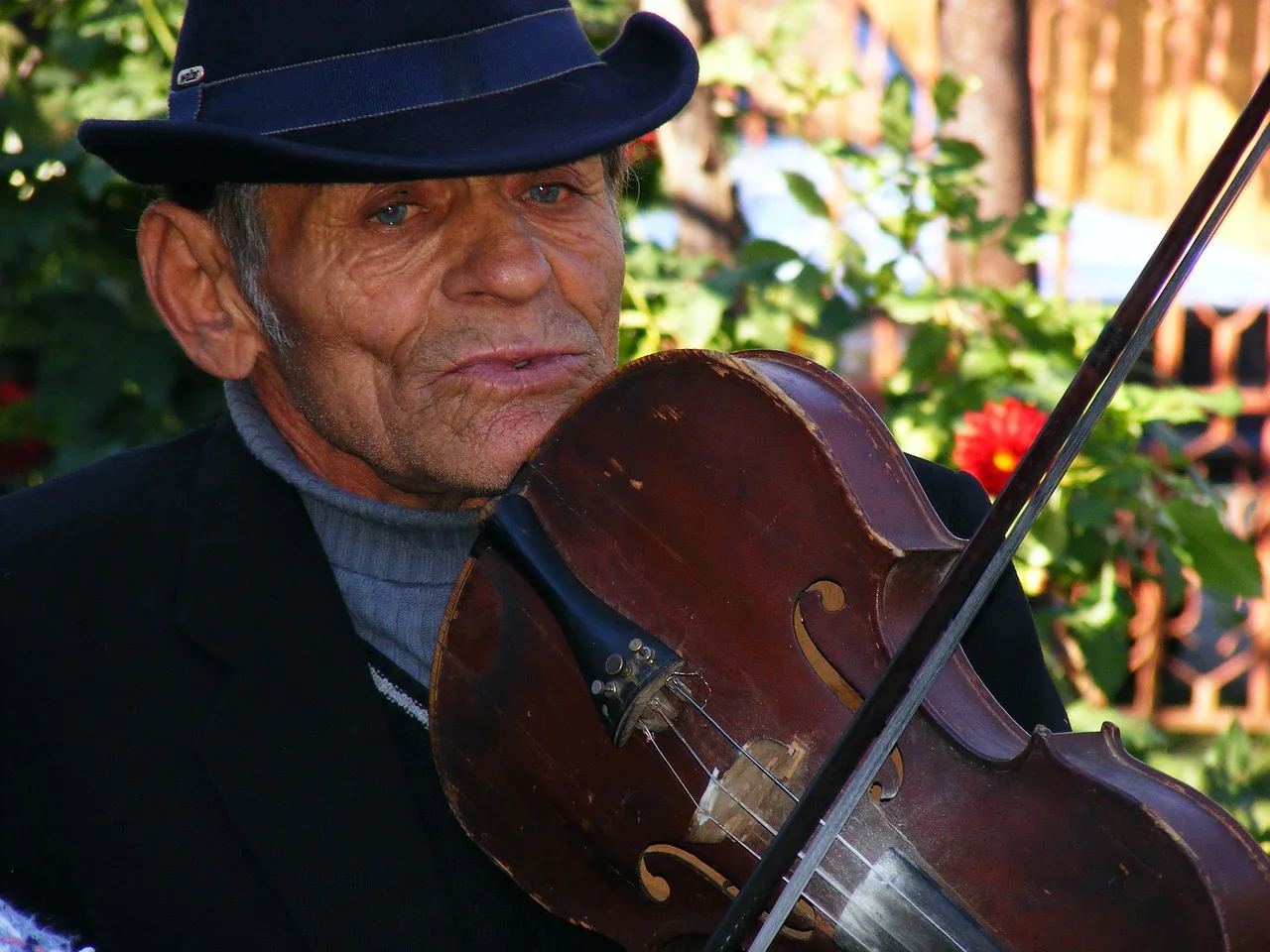
The vielle, the harp, and the bagpipe are all instruments that helped create the magical and spellbinding atmosphere of epic medieval music.
The main compositions of epic medieval music
Epic medieval music gave rise to several famous compositions that are still widely recognized today. Among the best known is the Song of Roland, an 11th-century chanson de geste that tells the story of the knight Roland and his martial exploits. This composition is emblematic of epic medieval music and highlights the chivalric values and ideals of the period. Another famous composition is that of William of Orange, another legendary hero of medieval literature. These compositions have remained popular over the centuries and continue to influence contemporary music and culture.
The influence of epic medieval music on contemporary music
Epic medieval music has had a significant influence on contemporary music, especially in film soundtracks and television series. The sounds, instruments, and techniques used in epic medieval music have been adapted and reinterpreted to create modern compositions that evoke the same epic and chivalric sensations.
The themes and musical motifs of medieval music are often used to represent scenes of action, battle, or adventure in contemporary film productions. Contemporary composers draw inspiration from medieval music to create original compositions that pay tribute to this musical heritage.
“Epic medieval music is an inexhaustible source of inspiration for contemporary composers. The epic melodies and evocative harmonies of medieval music are perfect for accompanying intense and dramatic scenes in films and television series. They add an extra dimension to the visual experience and transport viewers into a medieval world filled with heroic adventures.”
The influences of epic medieval music are not limited to film soundtracks and television series. Contemporary artists also record medieval-music albums, incorporating elements of epic music into their compositions. These new interpretations help keep this musical heritage alive and introduce it to a wider audience.
The influence of epic medieval music on contemporary music testifies to the continuing fascination with this era and to music’s ability to cross centuries and musical genres.
Example of a contemporary composer inspired by medieval music
A notable example of a contemporary composer inspired by medieval music is Hans Zimmer. He is known for his epic film scores, such as the soundtrack to the film “Gladiator” (2000), which incorporates elements of medieval music to reinforce the atmosphere and aesthetic of ancient Rome. Zimmer’s music skillfully combines modern sounds with instruments and musical motifs characteristic of epic medieval music, creating an immersive and captivating musical experience.
Musical influences of epic medieval music
The musical influences of epic medieval music can also be found in other contemporary musical genres, such as folk metal. Folk metal bands integrate elements of medieval music into their sound, using traditional instruments and incorporating epic melodies and musical structures into their compositions. These musical influences show how medieval music continues to inspire and nourish the creativity of contemporary artists.
| Contemporary composers influenced by medieval music | Film and television series soundtracks |
|---|---|
|
|
The revival of epic medieval music
Over the past few decades, epic medieval music has experienced a revival, with growing interest in medieval history and culture. Medieval music festivals are organized around the world, showcasing the music, art, and culture of this period. These festivals attract a broad audience of both history and music enthusiasts, allowing people to discover or rediscover epic medieval music in all its splendor.
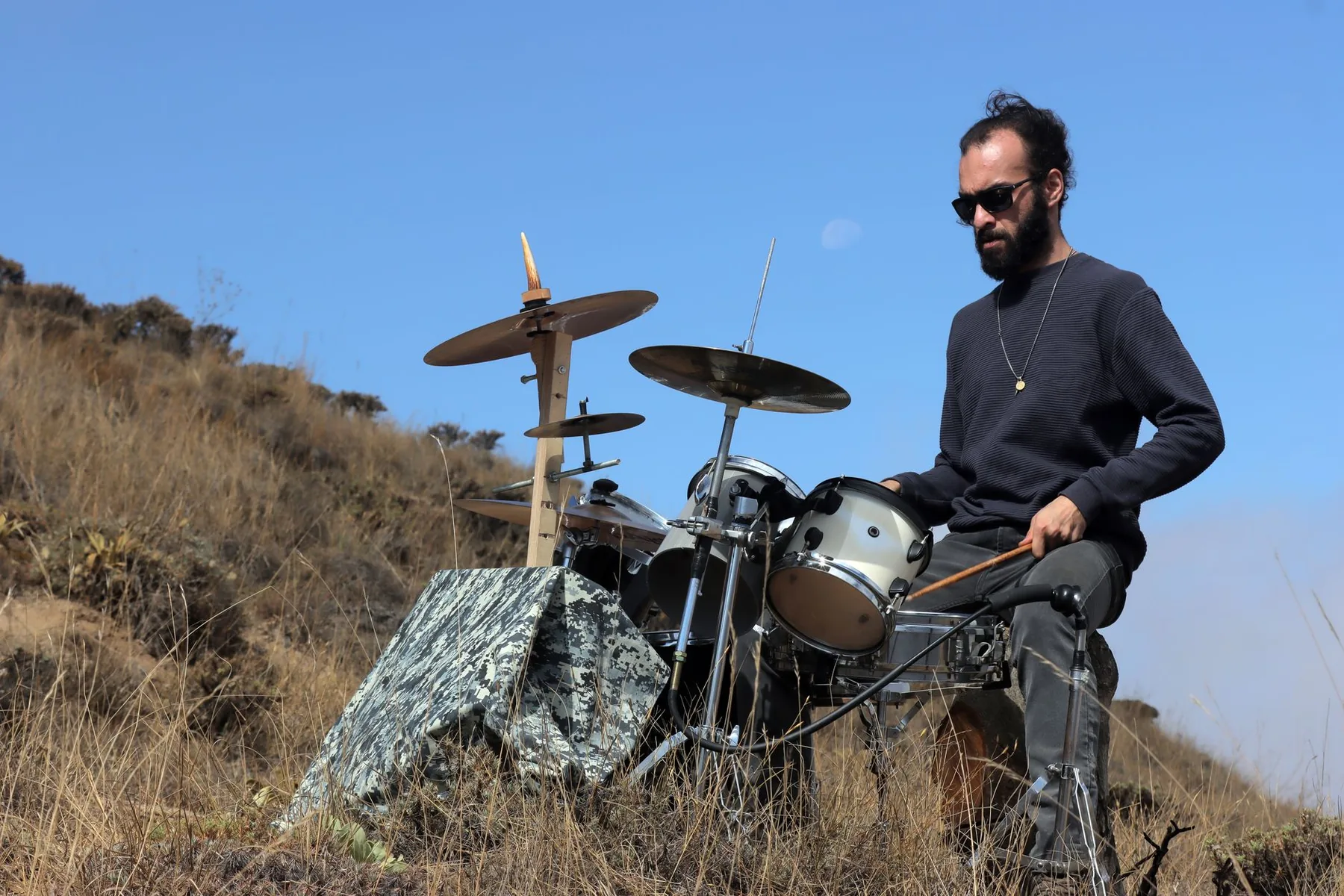
In addition, many contemporary groups and artists specialize in medieval music and create new compositions inspired by this musical heritage, thereby helping to keep this rich tradition alive.
Conclusion
Epic medieval music is a precious musical heritage that continues to influence and captivate 21st-century listeners. Its compositions for battles and epics evoke a feeling of grandeur and adventure, transporting the listener into a medieval universe rich in martial exploits and knightly epics. The chansons de geste, sung between 1050 and 1150, marked the end of the 11th century and the beginning of the 12th century, and continued to be produced until the 15th century.
These medieval compositions left a significant legacy in the field of music. The cycles of Charlemagne, of William of Orange, and of Doon de Mayence, as well as the Geste of the Lorrainers, are among the most famous collections of chansons de geste, immortalizing epic heroes such as Roland, Garin de Monglane, and Hervis de Metz. These compositions shaped music history and continue to influence contemporary music, especially in film and television soundtracks, where medieval musical themes and motifs are often used to evoke scenes of action and adventure.
The medieval musical heritage also lives on through medieval music festivals, which attract a broad audience of history and music enthusiasts. These events showcase the richness of epic medieval music, allowing contemporary listeners to immerse themselves in the medieval atmosphere and discover these compositions in all their splendor. Thus, epic medieval music remains a powerful way to pay tribute to the spirit of knights and medieval epics, ensuring the preservation of this precious musical heritage.