If you are passionate about history and music, you will certainly be interested in medieval music. This fascinating musical genre has its own characteristics, and its origins go back to the Middle Ages. Fortunately, there are many free resources online that allow you to listen to and discover this captivating musical genre.
These sources provide a variety of free resources for listening to and discovering medieval music. They include medieval music playlists, recordings of medieval instruments, medieval songs, and medieval music performers. Whether you are new to medieval music or a knowledgeable enthusiast, these resources will let you immerse yourself in the atmosphere and history of this distant era.
Where can you find medieval music playlists?
Are you passionate about medieval music and looking to discover playlists that will immerse you in the atmosphere of this fascinating era? Look no further. Several online platforms give you the chance to explore a variety of medieval music playlists for free.
YouTube and SoundCloud are two popular examples of platforms where you can find these playlists. They include a wide range of pieces, from liturgical chants to medieval instrumental compositions. Whether you are looking for peaceful, melodic music or something more epic and mysterious, you are sure to find a playlist that matches your taste.
These playlists are a real treasure trove for fans of online medieval music. They offer a unique opportunity to listen to and discover this historically rich musical genre. Whether you want to enrich your role-playing experience, create an atmosphere during an evening with friends, or simply immerse yourself in the world of medieval music, these playlists are a valuable resource.
The creator of these playlists spent the last two years creating 50 of them for role-playing game sessions on Spotify. It all began a year ago with 30 shared playlists, and since then 20 more playlists have been added. These playlists cover a wide range of themes, such as ambient exploration, fantasy exploration, mystic exploration, forest, mountains, snow, the Far East, Africa, medieval city, medieval village, medieval tavern, monastery, and much more.
Each playlist is designed to create specific atmospheres and moods suited to different role-playing scenarios. Whether you want a peaceful and serene, epic and adventurous, suspenseful, or strange and enigmatic atmosphere, there is a playlist that will meet your expectations.
“Medieval music playlists offer a unique immersion into the world of role-playing games, creating specific atmospheres and moods for each scenario.” – Playlist creator
These playlists also offer a wide variety of musical genres and cultural influences. From orchestral compositions to folk music, with ethnic and medieval inspirations, you will discover a wide range of musical styles that suit different settings and stories during your role-playing sessions.
The playlist creator continues to update and organize them regularly. He is also committed to adding new content in the future, based on user feedback and suggestions. You can therefore expect to discover new musical gems that will enrich your role-playing experiences even further.
So do not hesitate: dive into the captivating world of medieval music by exploring these free online playlists. Let yourself be carried away by enchanting melodies and unique atmospheres that will bring your fantasy adventures to life.
| Medieval music playlist statistics: | |
|---|---|
| Total number of playlists created over the last two years: | 50 |
| Number of playlists shared one year ago: | 30 |
| Number of playlists added since then: | 20 |
| Themes covered by the playlists: | Ambient Exploration, Fantasy Exploration, Mystic Exploration, Forest, Mountains, Snow, Far East, Africa, Medieval City, Medieval Village, Medieval Tavern, Monastery, and much more. |
| Types of moods available: | Calm, epic, suspenseful, strange, emotional, adventurous |
| Musical genres and cultural influences: | Orchestral, folk, ethnic, and medieval-inspired compositions |
Online medieval playlist:
Which recordings of medieval instruments are available?
To fully immerse yourself in the musical atmosphere of the Middle Ages, there are recordings that highlight iconic medieval instruments. Artists passionate about medieval music have recorded pieces that allow listeners to discover the sounds and playing techniques typical of this period in history.
The best-known medieval instruments are:
- The hurdy-gurdy: this bowed string instrument produces enchanting sounds that are characteristic of medieval music. Some recordings highlight the virtuosity of musicians who play the hurdy-gurdy.
- The bagpipe: a double-reed wind instrument, the bagpipe has been used for centuries to accompany medieval songs and dances. Bagpipe recordings help recreate the festive atmosphere of the period.
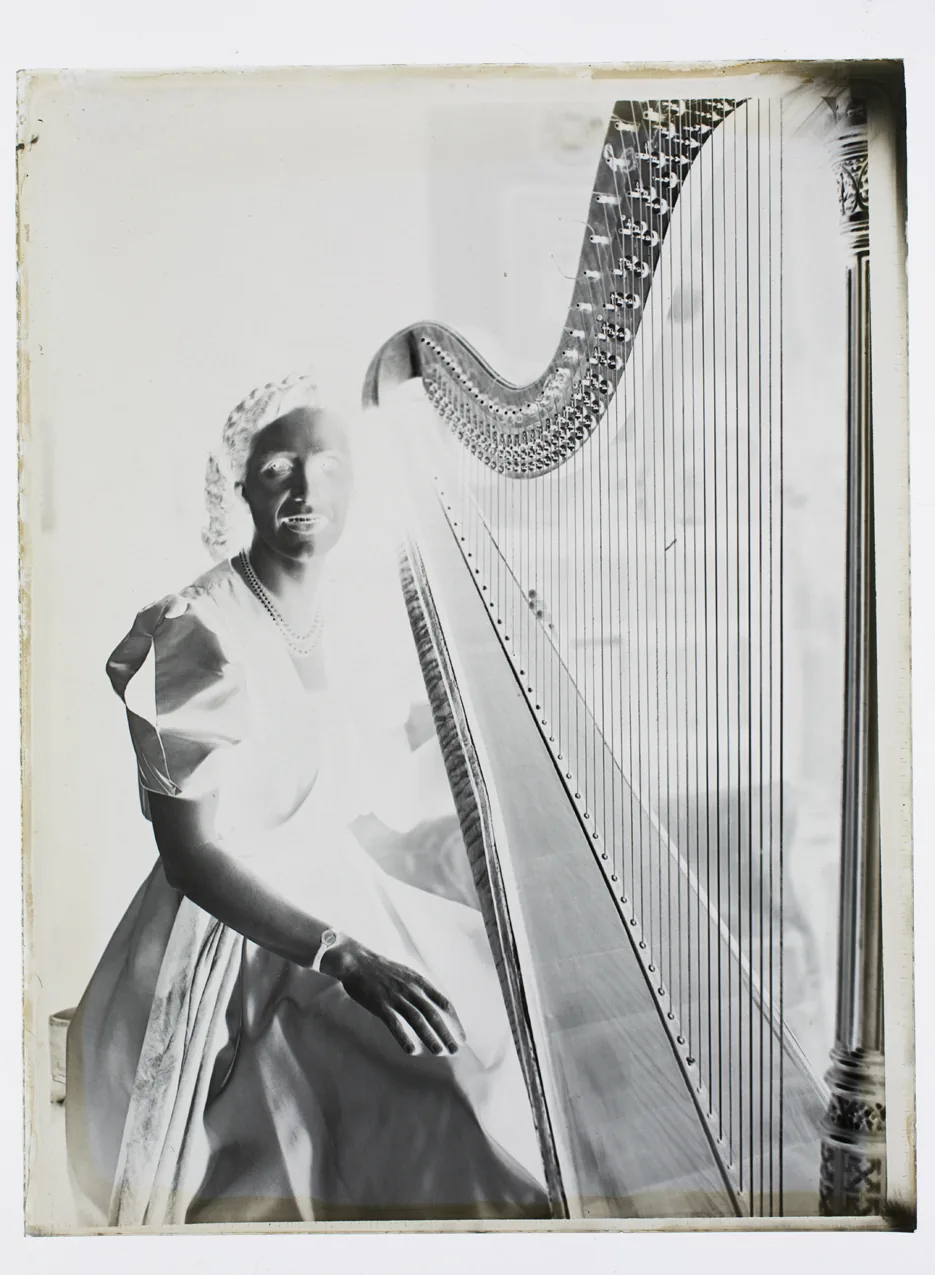
- The medieval harp: this plucked string instrument adds a poetic dimension to medieval music. Recordings of the medieval harp offer a soft and melodic atmosphere.
These recordings make it possible to travel through time and fully appreciate the richness and diversity of medieval instrumental music. Whether for relaxation, research, or simple entertainment, free resources make these precious musical performances easy to access.
“Medieval music resonates across the centuries, thanks to recordings that allow us to relive this fascinating era.” – Author’s name
To discover some of these recordings of medieval instruments, you can consult the list of free resources made available by a specialist early-music collection, which offers an overview of medieval musical treasures. These recordings will immerse you in the sound world of this emotionally rich and creative era.
| Benefits of recordings of medieval instruments | Free resources |
|---|---|
| They make it possible to discover the sounds and techniques of medieval instruments | They provide easy access to medieval music |
| They offer immersion in the musical atmosphere of the Middle Ages | They are available online free of charge |
| They offer a variety of medieval instrumental pieces | They let you explore medieval music at your own pace |
Thanks to these recordings of medieval instruments, you can let yourself be transported by the magic of medieval music and appreciate the unique sounds of this richly creative era.
What are the different medieval songs to listen to?
Medieval music offers a rich variety of songs, both religious and secular. Among religious songs, Gregorian chants and motets hold a central place. Gregorian chants are liturgical chants that developed during the Middle Ages and play an important role in medieval religious music. They are characterized by their melodic beauty and spiritual resonance, captivating the listener in a sacred atmosphere.
Motets, for their part, are polyphonic vocal compositions that emerged in the 12th century. These complex religious songs are often written in Latin and use a combination of several voices to create subtle and expressive harmony. Medieval motets offer a fascinating musical experience, combining complex rhythms with captivating harmonies.
In addition to religious songs, medieval music also includes a wide variety of secular songs. Among the most popular are the songs of troubadours and trouvères. These secular songs tell stories of courtly love, valiant knights, and legendary heroes. They are often performed with instruments such as the vielle, harp, and bagpipe.
Exploring these different types of medieval songs allows you to immerse yourself in the richness and diversity of the music of this period. Whether you want to appreciate religious chants full of spirituality or secular songs full of romance and passion, medieval music offers a unique listening experience that still resonates today.
| Types of medieval songs | Description |
|---|---|
| Gregorian chants | Religious liturgical chants characterized by their melodic beauty and spiritual resonance. |
| Motets | Polyphonic vocal compositions using several voices to create subtle and expressive harmony. |
| Songs of troubadours and trouvères | Secular songs telling stories of courtly love, knights, and legendary heroes. |
“Gregorian chants transport us into a spiritual atmosphere, while the songs of troubadours and trouvères awaken in us the emotions of courtly love and epic tales.” – Active participant on the harp forum
Listening to these different medieval songs is a true invitation to travel through time and discover the musical world of this fascinating era.
Who are the performers of medieval music?
Medieval music is not limited to historical recordings. Today, there are specialized artists who perform medieval music, offering a modern perspective on this musical genre while respecting the techniques and styles of the period. These contemporary performers capture the essence of medieval music and transmit it to today’s audiences.
Some of these performers appear on stage, recreating the atmosphere of medieval performances with period instruments and traditional songs. Their passion and dedication to medieval music are reflected in their striking performances, which captivate audiences and transport them through time.
Contemporary medieval music performers:
- Nicolas Achten
- Ensemble Unicorn
- Hespèrion XXI
- L’Arpeggiata
- Sequentia
These artists have devoted their careers to the study and performance of medieval music. Their expertise and artistic sensitivity allow them to bring ancient compositions to life, revealing the richness and beauty of medieval music to today’s listeners.
Contemporary medieval music offers a unique experience by combining historical authenticity with a modern artistic vision. It is a testament to the vitality and continuing relevance of this centuries-old musical genre.
Discovering performers of contemporary medieval music is an opportunity to immerse yourself in the sound world of the medieval period in a new and captivating way. Their performances bring a new dimension to medieval music, allowing audiences to enjoy an immersive and emotional experience.
A modern vision of medieval music
Performers of contemporary medieval music do more than reproduce works from the past. They bring contemporary sensitivity and understanding to their interpretations, creating a link between past and present. Their approach reveals a timeless musicality that transcends centuries and borders.
Their passion for medieval music is also reflected in the recording of albums dedicated to this musical genre. These recordings allow listeners to experience medieval music at home, at any time. They offer an accessible way to discover and appreciate contemporary medieval music.
Medieval music performers are spokespeople for the past, giving voice to musical works that have traveled across the centuries. Their dedication and talent contribute to the preservation and appreciation of this rich musical heritage.
How can you explore the history of medieval music?
To discover the history of medieval music in depth, it is recommended to study the different musical periods of the Middle Ages, such as the Carolingian era, ars antiqua, and ars nova. These periods are characterized by specific musical styles and techniques that evolved over time.
Organ music evolved through the ages, moving from simple melodies to complex and virtuosic compositions. During the Baroque period, composers such as J. S. Bach wrote complex pieces that required a high level of technical skill.
In the Middle Ages, the organ was mainly used for religious ceremonies and was considered the king of instruments. Medieval polyphony involved the use of several independent voices or parts.
Renaissance organ music combined sacred and secular elements, giving rise to innovative and expressive styles. The rise of secular music during the Renaissance led to the emergence of new musical forms that emphasized individualism and self-expression.
The innovations of Renaissance organ music left a lasting legacy and influenced the musical development of later periods.
Online resources and specialist books
To deepen your knowledge of the history of medieval music, you can consult online resources and specialist books. Online resources offer articles, analyses, and audio recordings that allow you to explore the different musical periods and styles of the Middle Ages.
A recommended book for medieval music enthusiasts is “Medieval Music” by Richard H. Hoppin. This work covers the evolution of medieval music across the different periods in detail and presents an in-depth analysis of the styles and techniques used.
You can also consult the free resources available online:
| Period | Characteristics |
|---|---|
| Carolingian era | Liturgical vocal style, Gregorian chant, use of musical modes |
| Ars antiqua | Emergence of polyphony, use of organum and the motet |
| Ars nova | Rhythmic innovation, development of musical notation |
By exploring these resources and studying the different medieval musical periods, you will be able to deepen your understanding of the history of medieval music and fully appreciate the styles and techniques that shaped this musical genre.
Which medieval instruments should you know?
Medieval music is characterized by a wide variety of instruments, each with its own sound. Here are some popular medieval instruments:
1. Hurdy-gurdy
The hurdy-gurdy is a bowed string instrument that was widely used during the Middle Ages. It consists of a rotating wheel that rubs the strings, producing a melodious and enchanting sound.
2. Bagpipe
The bagpipe is a wind instrument with a powerful and distinctive sound. It consists of several pipes and a sheepskin bag. This bag serves as an air reservoir, making it possible to play several notes at the same time.
3. Medieval harp
The medieval harp is a plucked string instrument that was commonly used during this period. It is characterized by its elegant appearance and its soft, enchanting sounds.
4. Lute
The lute is a plucked string instrument that was very popular during the medieval period. It resembles a small guitar and has a delicate, melancholic sound.
Learning to recognize and appreciate these instruments helps deepen our understanding of medieval music and immerse us in the atmosphere of the period.
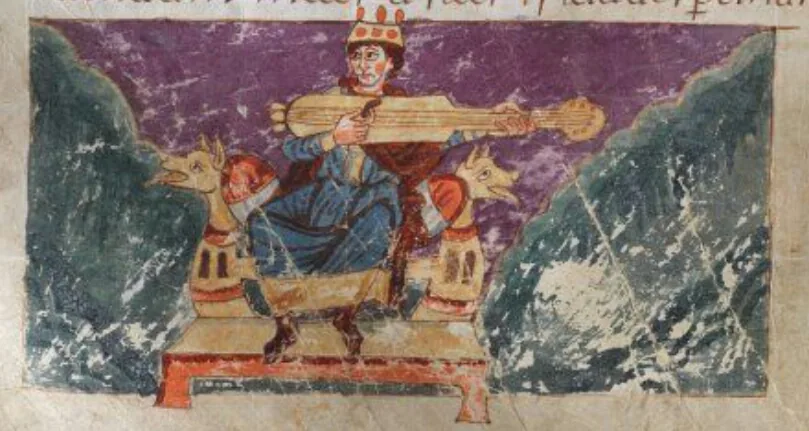
Here is a beautiful illustration of a hurdy-gurdy player:
Conclusion
By exploring the free resources available online, it is possible to listen to and discover medieval music. Medieval music playlists, recordings of medieval instruments, medieval songs and medieval music performers offer immersion in this fascinating musical genre. Use these resources to dive into the history and atmosphere of the medieval period.
Medieval music playlists available on online platforms such as YouTube and SoundCloud are an excellent way to become familiar with the iconic pieces of this era. Recordings of medieval instruments allow you to discover the unique sounds of these ancient instruments, such as the hurdy-gurdy, the bagpipe, and the medieval harp.
Medieval songs, whether religious, such as Gregorian chants and motets, or secular, such as songs of troubadours and trouvères, are another facet of medieval music to explore. Contemporary performers specializing in medieval music offer a modern interpretation while respecting the techniques and styles of the period.
Dive into the history and atmosphere of the medieval period by exploring these free online resources. Discover the richness and diversity of medieval music, and let yourself be transported into a fascinating world where the music still resonates today.